
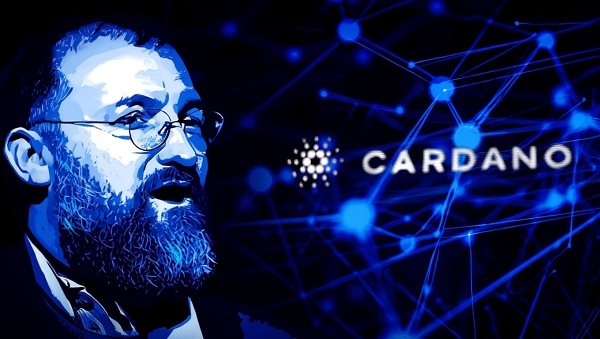
Cardano (ADA) founder Charles Hoskinson raised the possibility of reshaping the roadmap and leadership as he moved to restore a long-term vision.
On May 25, blockchain outlet The Crypto Basic reported that Hoskinson said in a recent livestream to DReps (delegated representatives) and ADA holders that Cardano should re-establish a purpose beyond price.
Hoskinson acknowledged that fatigue has built up across the community. He said dissatisfaction has grown as Cardano holders faced repeated setbacks without producing clear results. He pointed to expectations of a rebound late in 2024 amid strong optimism in the Cardano ecosystem, but said market attention shifted from infrastructure-focused blockchains to speculative narratives and memecoins.
He has said he also suffered heavy losses from the market decline and Cardano weakness. He said he lost more than $2.5 billion due to Cardano’s fall in value and had wound down assets and projects that were also important to his family to focus on the Cardano and Midnight ecosystems. Hoskinson reaffirmed his stance that he had also shelved personal projects and would devote himself to the two ecosystems.
He stressed, however, that Cardano’s value should not be tied only to a rise in the token price. Hoskinson said investors in the community should believe that “Cardano can contribute meaningfully to making the world a better place.” He said a new roadmap, new leadership voices and a clearer long-term strategy may be needed to restore trust and rebuild momentum.
Hoskinson also again hinted at the possibility of becoming a DRep within Cardano’s governance structure. He made similar remarks over the weekend, and some community members have indicated they would delegate to him. Concerns are also being raised that if he becomes a DRep, his large ADA holdings could exert excessive influence on voting outcomes.
The remarks came amid recent governance conflicts inside Cardano. Several DReps opposed key proposals submitted by Input Output Global (IOG), particularly a research-focused funding plan. Opponents said treasury funds should be allocated to other important ecosystem priorities.
Hoskinson warned that if the proposal is voted down, Cardano’s science-focused identity could weaken. He also said dissatisfaction over Cardano’s long-term price decline underlies some DReps’ opposition. Cardano at one point fell more than 92 percent from its all-time high (ATH), dropping to about $0.2455.
He also said if Cardano loses its brand value and long-term identity, the downturn could become permanent. At the same time, he assessed that some IOG proposals being rejected is a sign that “Cardano governance is working as intended.” He effectively acknowledged that the governance system did not move unilaterally according to the will of its founder or a specific organisation.
Cardano is currently facing three tasks at once: weak prices, disputes over fund allocation and redefining its identity. Against that backdrop, Hoskinson proposed discussing the Pentad and ways to improve the governance structure, and Cardano Foundation CEO Frederik Gregaard (프레데릭 그레가드) said he was willing to host a meeting. Talks on overhauling the roadmap and whether Hoskinson participates as a DRep are emerging as key variables that could determine Cardano’s next direction.
 Yoonseo Lee
yslee@d-today.co.kr
Yoonseo Lee
yslee@d-today.co.kr