
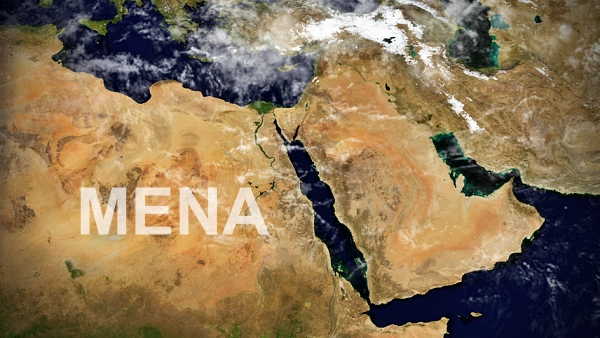
A Middle East conflict is dampening sentiment for tech investment and adding strain to semiconductor supply chains and AI infrastructure plans. A two-week ceasefire was recently agreed, but the clashes over the past month and a half have damaged the Middle East’s reputation as an investment destination, CNBC reported on Thursday local time.
Supply chain disruptions are already emerging. Helium exports used in semiconductor manufacturing and various production processes have fallen sharply, and shipping disruptions have delayed deliveries of semiconductors from Asia for some European companies. If the conflict drags on, uncertainty around data centre and AI infrastructure projects in the Middle East could also rise.
Markets expect a short-term hit to investment sentiment to be unavoidable. Morningstar’s chief equity strategist Michael Field saw cross-border investment potentially shrinking as national security priorities strengthen. Rathbones senior research analyst Simon Lapson pointed to the risk that war could harm investment decisions and confidence beyond the region.
Countries directly affected by the conflict may lower the priority of building AI data centres. Some analysis also says the impact on Gulf technology projects is more about schedule delays than demand disappearing.
The Middle East’s AI hub strategy is also under pressure to adjust. CSS Insight technology industry analyst Ian Fogg saw attacks on data centres in the Middle East making it harder to become a major AI base that handles work for customers in other regions. He also analysed that demand for AI within the region is likely to continue, and the investment case could focus more on demand arising in Gulf Cooperation Council countries and on work that benefits local consumers and businesses.
It is difficult to conclude that funding is fully withdrawing. International Data Center Authority CEO Mehdi Farayabi said some companies may diversify investment to Europe, Latin America and the Asia-Pacific, while adding that the Middle East is hard to ignore because it is resource-rich. Paul Markham, global head of equities at GAM Investments, also forecast that local sovereign wealth funds would continue to inject money into regional capital expenditure projects.
The fallout could also continue outside the Middle East. Higher energy prices could affect the global economy and consumption of technology products with a time lag, and could weigh on data centre operators with heavy power costs. Helium is not a major cost factor, but concerns are also being raised that supply disruptions could constrain chip production and affect various industries.
 Hyunwoo Choo
cookinpapa@d-today.co.kr
Hyunwoo Choo
cookinpapa@d-today.co.kr