
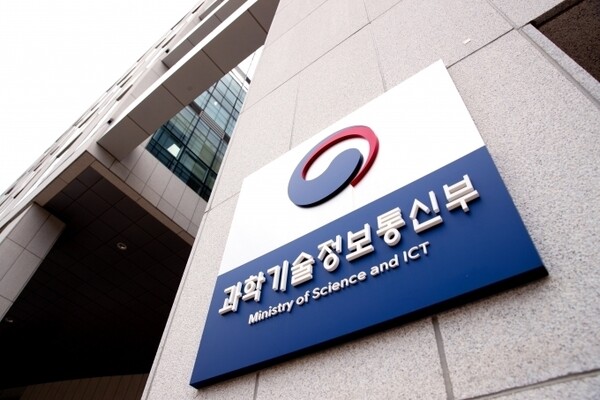
South Korea's Ministry of Science and ICT held the 38th overhead cable maintenance coordination meeting and finalised the 2026 overhead cable maintenance plan, it said on Monday.
The overhead cable maintenance project involves local governments, Korea Electric Power Corp and broadcasting and telecommunications operators. It bundles tangled power lines and broadcasting and telecommunications cables along roads and buildings, or removes cables that are no longer in use.
This year's plan finalises maintenance of 130,910 utility poles, including 98,805 KEPCO poles and 32,105 telecommunications poles, across 407 maintenance zones in 63 local governments, including Seoul's 25 districts. In allocating workloads by local government, it moved beyond considering only the number of households and ageing homes by also reflecting the share of complaints received. It assigned additional workloads to areas with many complaints.
Under the third mid- to long-term master plan for overhead cable maintenance for 2026 to 2030, Suncheon and Wonju will additionally participate in the maintenance project. Ten local governments selected through an open call last month will take part and carry out maintenance work: Gangneung, Gyeongju, Gimcheon, Namwon, Damyang County, Sejong, Andong, Uijeongbu, Jinan County and Hampyeong County.
The open call for maintenance areas will be carried out in the form of supporting maintenance for one year by selecting 10 areas each year through 2030, targeting small and mid-sized local governments that previously had no opportunity to participate in the project.
This year's plan will also 추진 a pilot comprehensive maintenance project for an overhead cable Clean-Zone, applying methods that can prevent re-cluttering after maintenance. These include shared use of service entrance facilities, standardising service entrance cable routes and improving radial installation structures. The ministry plans to analyse the maintenance effect and re-cluttering prevention effect and expand the project.
Meanwhile, as a result of pushing for a nationwide removal of terminated broadcasting and telecommunications cables in major urban centres since 2024, about 3.3 million cases of removal had been completed as of the end of February. The ministry plans to complete the removal of terminated cables in major urban centres by 2028 and, from the end of that year, establish and implement an address-based removal system under which terminated cables are removed through on-site visits within 30 days of service termination.
Ryu Je-myeong (류제명), the ministry's second vice minister, said, "As the government and project operators have worked together to expand the maintenance areas, we will ensure the public can tangibly feel real maintenance effects." He said, "Through close cooperation among related agencies, we will carefully ensure overhead cables are managed as a safe communications infrastructure."
 Jin-ho Lee
jhlee26@d-today.co.kr
Jin-ho Lee
jhlee26@d-today.co.kr