
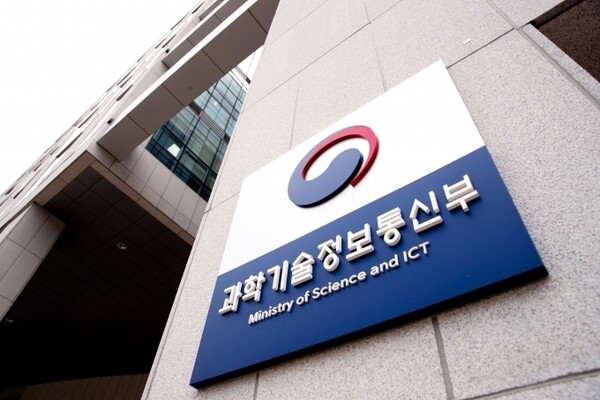
South Korea's Ministry of Science and ICT held an “AI Startup Growth Strategy Briefing” with the Ministry of SMEs and Startups on Jan. 28 at Seoul Tipstown to share key provisions of the AI Basic Law with AI startups.
The briefing aimed to ease startups’ concerns about the AI Basic Law, which took full effect on Jan. 22, and to improve understanding of the system. The Ministry of Science and ICT explained the AI Basic Law to more than 200 employees of AI startups. The Ministry of SMEs and Startups explained the law on the use and spread of AI by small and medium-sized enterprises. Jeong-hee Jo (조정희), managing partner attorney at a law firm, presented an AI response strategy.
The Korea Entrepreneurship Foundation then explained the “AI Challenge” programme, which promotes industrial and corporate AX through collaboration between AI startups and companies and institutions by sector, and supports startups with technology demonstrations and market access. The Korea Technology and Information Promotion Agency for SMEs explained the “Deep Tech Challenge Project (DCP),” which supports large-scale project-based R&D in core fields such as AI. The briefing also included an explanation of the “Startup One-Stop Support Center,” which provides consultation, information and support through a single channel, as well as individual consultations.
The Ministry of Science and ICT also used the event to provide answers to frequently asked questions about the AI Basic Law. Jin-soo Lee (이진수), director general for AI Policy Planning at the ministry, said, “The AI Basic Law is a promotion law that puts emphasis on developing the AI industry, and we will operate it so it does not hinder startup innovation.” He said, “We will defer regulations for at least 1 year so companies can prepare sufficiently, and we will strengthen communication with startups through on-site briefings.”
Gyeong-won Jo (조경원), director general for Startup Policy at the Ministry of SMEs and Startups, said, “To minimise startups’ concerns and burdens, the ministry will continue to reflect field feedback jointly with related ministries to improve the system and expand support programmes.”
 Jin-ho Lee
jhlee26@d-today.co.kr
Jin-ho Lee
jhlee26@d-today.co.kr