
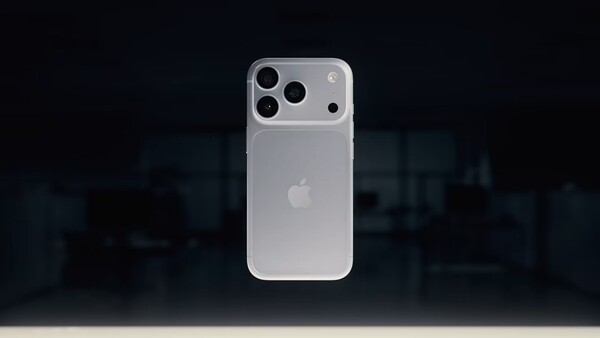
[DigitalToday reporter Jinju Hong] Apple’s base-model iPhone Pro price rose $200 over seven years, from $999 in 2019 to $1,199 in 2026, it has been confirmed.
Engadget, an IT media outlet, reported on Oct. 31 (local time) that price increases appeared across Apple’s entire iPhone lineup this year, not only for the $1,999 foldable model called the iPhone Duo.
The basis for this comparison is the base Pro model for each year. The iPhone 11 Pro launched in 2019 at $999 for the 64GB model. It was the first iPhone to carry Apple’s “Pro” branding and included a triple camera made up of wide, ultra-wide and 2x telephoto lenses. Its display used a Super Retina XDR OLED panel to raise brightness and contrast.
The iPhone 11 Pro came in a unibody glass design with a matte finish in Space Gray, Midnight Green, Gold and Silver. It also included the ultra-wideband U1 chip for the first time, supporting updated AirDrop connections and AirTag tracking. Apple removed the existing 3D Touch layer and added a larger battery, but kept the Lightning charging port. That port changed to USB-C starting with the iPhone 15.
The 2026 iPhone 18 Pro costs $1,199 for the base 256GB model. That is $100 more than the iPhone 17 Pro a year earlier and $200 higher than the previous generation. Storage has increased significantly, but the size of the increase is clearer over the past two years. Engadget pointed out that consumers could buy a base iPhone 16 Pro for $999 two years ago, and said a $200 increase is on the steep side.
The iPhone 18 Pro includes a 2-nanometer A20 Pro chip. Its main camera applies a variable aperture that can be adjusted from f/1.48 to f/4.0. The Dynamic Island is smaller, and a larger vapor chamber improves sustained performance in high-load tasks such as gaming. Apple’s in-house C2 cellular modem focuses on improving power efficiency. Glacier Blue and Burgundy were added as color options.
Rising memory and component costs were cited as factors behind the price increases. Engadget reported: “The RAM crisis delivered a major shock across consumer tech, and Apple ultimately could not avoid the impact.” It said Apple reflected broader industry cost pressures in its pricing.
It was also suggested that it is difficult to judge Apple’s overall pricing strategy based only on annual prices. That is because the storage baseline changed from 64GB to 256GB, and over the past seven years overall specifications have risen, including high refresh-rate displays, MagSafe, USB-C, and improvements in camera and processor performance. Engadget assessed that this year-on-year comparison does not show the strategy as it is, but clearly shows how much more expensive devices have become over the past two years.
Apple’s price adjustments did not stop with the iPhone. The iPad Pro also rose from $999 in June to $1,199. Amid this trend, Apple’s hardware prices this year appear to be adjusted higher around premium models. Attention is focused on whether memory and major component price trends will affect pricing for Apple’s next products as well.
 Jinju Hong
hongjj@d-today.co.kr