
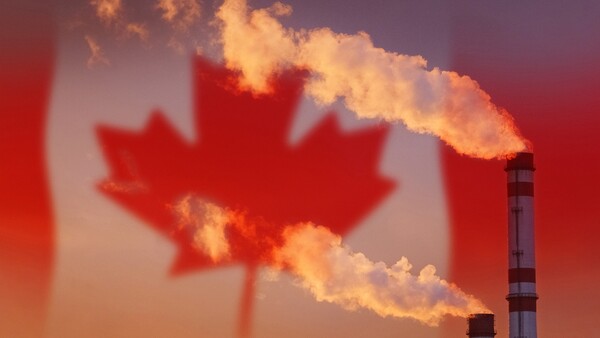
The Conservative Party's victory in British Columbia's provincial legislature election has boosted momentum for a policy of expanding liquefied natural gas production and exports. The centre-left New Democratic Party, which governed for 9 years, is set to lose power.
Cleantechnica reported on Oct. 26, local time, that the Conservatives won a majority in the Oct. 24 election. Based on provisional results released on Oct. 26 by B.C. election authorities, the Conservatives led in 63 of the 93 seats, the NDP in 28 and the Green Party in 2. The provisional turnout was 48.14 percent, below half.
Conservative leader Lorne Doerkson (론 도어크슨) pledged to double natural gas output by 2032 and triple it by 2035. He aims to shorten permitting procedures and ease regulation to increase energy investment and jobs. He also plans to hold a business summit in Vancouver next year.
The Conservatives said they will remove greenhouse gas emissions caps for LNG projects and overhaul the carbon pricing system to boost export competitiveness with the United States and Qatar. They also plan to resume cooperation with Exxon Mobil, Chevron and Woodside, which have pulled out of B.C. LNG projects since 2018. The party also plans to have emissions reductions recognised as achievements when exported gas replaces coal overseas.
The election result is not easy to interpret as outright opposition to existing climate-friendly policies. The NDP has also supported expanding LNG development, and polls before the vote cited cost of living, healthcare and trade frictions with the United States as voters' main concerns. Federal Prime Minister Mark Carney (마크 카니) has also stressed expanding energy exports to reduce reliance on the United States.
The Conservative platform presented principles for climate policy, including protecting residents from extreme weather, reducing emissions inside and outside the region, and producing measurable results.
Challenges remain for expanding LNG. Methane emissions from natural gas extraction and huge energy consumption in liquefaction could conflict with climate goals. Critics also say overseas demand that would support the economics of new export facilities and port-operation measures to prepare for extreme weather need to be validated.
 Jae-won Choi
ittt_0801@d-today.co.kr