
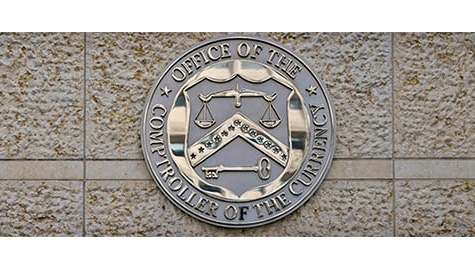
The U.S. Office of the Comptroller of the Currency (OCC) has finalised the GENIUS Act's final rule banning stablecoin issuers from paying interest. It will not block third-party platforms such as exchanges from paying rewards, cryptocurrency outlet U.Today reported on Oct. 21 local time.
Under the final rule, stablecoin issuers cannot pay interest or returns simply because users hold the coins. Stablecoins are defined as payment instruments fully backed one-to-one by real assets. The rule takes effect on Jan. 18, 2027.
The focus is on third-party rewards. The OCC included in its draft a plan to broadly block rewards by exchanges and fintech firms, but deleted it from the final version. Coinbase, Kraken and PayPal can continue to pay rewards on stablecoin balances. The OCC will instead review individual programmes case by case and check whether issuers are routing interest payments by disguising them as rewards.
Banks stepped back. The banking industry called for an outright ban on stablecoin yield payments, saying deposits are leaving because of high crypto returns, but it was not accepted.
Rules on how issuers manage reserves were eased. Issuers can invest in long-term, high-yield U.S. Treasuries and withdraw excess returns more quickly. If redemption requests exceed 10 percent of total issuance in a single day, issuers must report to authorities within 24 hours.
OCC Comptroller Jonathan Gould (조너선 굴드) said the rule provides a clear and practical framework with strong standards for reserve backing, redemption and risk management. He said this rule is the first step in overhauling the U.S. stablecoin system. The Federal Reserve and the Federal Deposit Insurance Corp have not yet issued their own rules.
 Hyunwoo Choo
cookinpapa@d-today.co.kr