
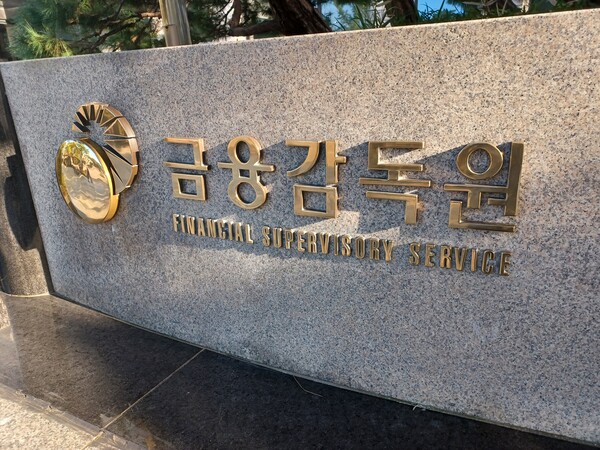
[DigitalToday reporter Sangyup Oh] South Korea's Financial Supervisory Service issued a consumer alert, saying a new type of scam has stolen digital assets by using a fake chain impersonating the blockchain network GIWA that Dunamu is developing.
The FSS said on Wednesday that the public should be cautious of a "fake chain" scam impersonating the blockchain network of a well-known digital asset exchange. It issued a "caution" level consumer alert for general financial consumers.
According to the FSS, a scam group recently built a fake blockchain network similar to the real one before GIWA's official release and stole users' digital assets.
It said on-chain scams feature rapid movement and theft of funds within minutes to hours, and assets once transferred are difficult to recover, making redress hard.
The group first lured investors by spreading false information on social media and online communities, such as claims of a "surprise mainnet opening," without any official announcement from the developer.
It then made RPC addresses, chain IDs and bridges used to connect to a blockchain network resemble those of the real network so users would mistake it for a legitimate network. A bridge is a mechanism that enables the movement of digital assets between different blockchains.
In a recent case, the scam group used information similar to the chain ID of GIWA's testnet that Dunamu is developing. GIWA's official mainnet had not yet been launched at the time.
A case also occurred in which decentralized exchange DYOR Swap supported the fake network after mistaking it for the real one, and users sent Ethereum to a fake bridge. The scam group later withdrew the digital assets moved to the bridge in a single batch, it said.
The FSS stressed that bridges or smart contracts claiming to support blockchain networks that have not been officially launched or are still under development should first be suspected as potentially fraudulent.
It urged users to check whether notices are posted on the developer's official website and official accounts when a new network or chain is mentioned, and not to trust promotions not confirmed through official channels, such as "surprise launch," "airdrop" or "pre-participation event."
In particular, it said that while a DEX serves as an interface that connects trades, there is no centralized operator that directly controls assets and transactions. It said recovery is effectively difficult if losses occur through a fake chain or platform.
An FSS official said it plans to have digital asset operators preparing new blockchain development officially announce development progress and provide related consumer guidance.
 Sangyup Oh
yub@d-today.co.kr