
[DigitalToday reporter Hyunwoo Choo (추현우)] Meta unveiled new hardware that works with its AI agent Muse, but newsletter readers were split between anticipation and discomfort. A survey found 37.27 percent of respondents said Meta’s new lineup was not to their taste, Cryptopolitan reported on Oct. 2.
Meta last week unveiled glasses, a headset and small portable devices at its annual developer and hardware event, Meta Connect. This year’s announcements centred on Muse, a personal AI agent released on Sept. 8, rather than on hardware. Muse handles scheduling, form-filling, sending emails and purchases when linked to an account. It offers a free tier and monthly subscriptions of $20 and $100 based on usage. Cumulative downloads topped 2.5 million in the weeks after launch.
Most of the newly introduced devices were presented as ways to use Muse. The third-generation Ray-Ban Meta has a thinner frame and battery life extended by about 1 hour, and went on sale for $449. The camera-free Ray-Ban Meta Audio costs $349. Meta VR Glass is a slim headset whose computing and battery are handled by a pocket-sized device, and is due to be released next spring for $1,299.
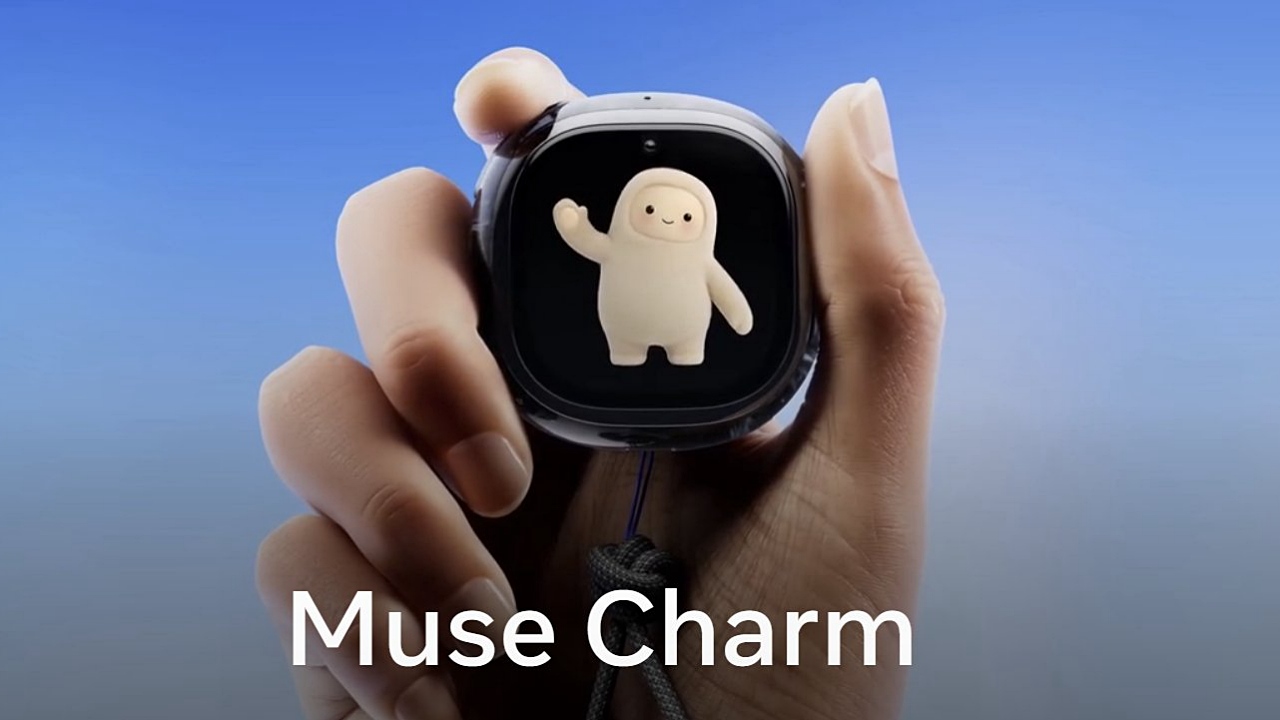
At the end of the event, Meta also unveiled a keyring-style device called Charm. The device is about the size of an Apple Watch screen and comes with a strap. Users can press a fingerprint sensor on the corner and then talk to Muse by voice. A 2-inch screen shows a 'Jolie' avatar, and the device includes a 5G modem so it can operate without a smartphone.
Meta did not disclose the price of Charm. Meta said only a small number of prototypes exist and that its component configuration has not yet been finalised. The target release is December to coincide with the year-end shopping season.
The split reaction stemmed from a trust issue rather than the hardware. Muse drew concerns immediately after launch over app access permissions, financial information and how personal data is handled. Meta said it designed Muse so it cannot read saved passwords or card numbers through a security credential storage. But users continued to raise issues over how it handles private messages and sensitive account information. Amazon also blocked Muse’s access on its online shopping mall on Sept. 21.
Its revenue model was also cited as a burden. Meta presented a structure in which it takes a small commission from transactions completed by Muse without advertising. That was also why wariness grew over Charm, which includes a camera and 5G connectivity.
In the survey, about 35.5 percent said it was innovative, and about 27.3 percent said they liked some of the products. Assessments of Meta’s new products appeared to diverge more over how much people trust Muse and Meta than over the devices’ performance itself.
 Hyunwoo Choo
cookinpapa@d-today.co.kr
Hyunwoo Choo
cookinpapa@d-today.co.kr