
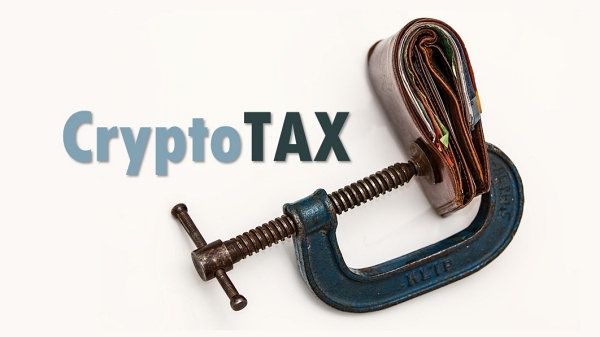
U.S. Republican Senator Steve Daines introduced a crypto tax overhaul bill, the ADAPT Act, on Sept. 30 that would exempt taxes on stablecoin payments and small network fees.
CoinPost, a blockchain media outlet, reported on Thursday local time that the bill aims to reduce tax burdens for everyday crypto use while extending anti-avoidance rules applied to stocks to cryptocurrencies.
Senators Cynthia Lummis, Bernie Moreno and Tim Scott joined as co-sponsors. The bill focuses on creating rules that taxpayers, businesses and the U.S. Internal Revenue Service can easily understand and enforce. It follows the U.S. House Ways and Means Committee passing the Digital Asset Tax Clarity Act 38 to 5 on Sept. 17 and sending it to the full chamber, as related legislation is now being pursued in the Senate.
The bill would allow purchases of goods or services with certain U.S. dollar-denominated stablecoins to avoid recognition of gains or losses when requirements are met. It would therefore exclude such transactions from capital gains taxation and exempt brokers from information reporting obligations. The stablecoins covered are U.S. dollar-denominated stablecoins issued under the Genius Act and included on a list published quarterly by the U.S. Treasury Department. The provision applies only to purchases of goods and services and excludes traders and dealers.
When network fees such as gas fees are paid in cryptocurrency, gains or losses would also not be recognised if the total amount per transaction is $10 or less. Brokers would also be exempt from information reporting requirements in such cases. Traders, dealers, validators, high-frequency users exceeding 5,000 transactions a year and transactions aimed only at applying the system are excluded.
The bill would extend tax rules applied to stocks and commodities to cryptocurrencies. Crypto traders and dealers could choose mark-to-market accounting, and existing rules would apply to tax exemptions for foreign investor transactions and to simplified procedures for crypto donations.
It also includes rules aimed at preventing tax avoidance. It would introduce wash-sale rules to cryptocurrencies for the first time, disallowing tax loss deductions if an asset is sold at a loss and a substantially identical asset is repurchased within 30 days before or after. Constructive sale rules would also apply, taxing transactions treated as effectively sold even without an actual sale.
The bill also sets out taxation standards for staking and mining. The source of the related income is determined based on the recipient's residence. Exchange-traded funds and other products regulated by the U.S. Securities and Exchange Commission would be allowed to maintain their tax status as passive investment trusts even if they stake a single proof-of-stake asset through an outside provider. In publicly traded partnerships, staking rewards, income from crypto lending and gains from sales would be recognised as qualifying income, while fee income for exchanges, lenders, brokers and dealers would be excluded.
Coinbase, the Blockchain Association, the Crypto Council for Innovation, Fidelity Investments and the Digital Chamber expressed support for the bill.
 Hyunwoo Choo
cookinpapa@d-today.co.kr
Hyunwoo Choo
cookinpapa@d-today.co.kr