
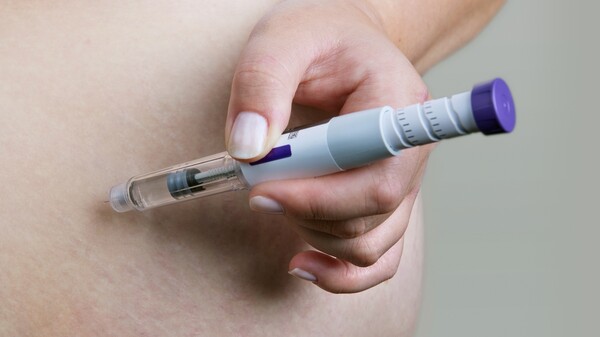
Eli Lilly's next-generation obesity treatment candidate retatrutide showed an average 25 percent weight loss at the maximum dose in a late-stage trial. When dosing was extended to nearly 2 years, the average reduction widened to 30 percent. The trial did not directly compare the drug with existing obesity treatments, so additional trials are needed to confirm its competitiveness.
Ats Technica, an IT media outlet, reported on Sept. 29 that Lilly said in a Phase 3 trial in obesity patients that average body weight in the high-dose group fell 25 percent after 80 weeks of treatment. Among participants who extended dosing to 104 weeks, average weight loss increased to 30 percent.
The results were published in the New England Journal of Medicine (NEJM). More than one-third of participants who received retatrutide lost at least 30 percent of their body weight.
The trial began in 2023 and enrolled 2,339 people at 131 sites in 11 countries. Participants received retatrutide at 4 mg, 9 mg, 12 mg, or a placebo. Average starting weight was about 113 kg, and average body mass index (BMI) was 40.
Along with weight loss, some measures of conditions linked to obesity improved. In participants with knee osteoarthritis, knee pain fell by up to 62 percent. In those with obstructive sleep apnea, sleep apnea events per hour dropped by up to 57 percent.
Measures related to cardiovascular and metabolic health, including blood pressure, triglycerides and low-density lipoprotein (LDL) cholesterol, also generally improved. More than one-third of participants had prediabetes at the start, and by the end of the trial prediabetes had resolved in more than 90 percent of them.
Retatrutide has a triple-acting structure that differs from existing obesity drugs. While Lilly's marketed tirzepatide is a dual-acting drug that stimulates GLP-1 and GIP, retatrutide adds glucagon activity.
Retatrutide is designed so a single synthetic peptide acts on GLP-1, GIP and glucagon receptors at the same time. It remains active in the blood for about 6 days, so it is being developed as a once-weekly treatment.
Its safety profile was broadly similar to existing GLP-1 and GLP-1 and GIP treatments. The most common adverse events were gastrointestinal symptoms such as nausea, diarrhea and constipation, mostly mild to moderate. Dizziness and low blood pressure were also reported in some participants, and were observed more often in those taking blood pressure drugs.
There were also cases that require additional confirmation. The trial reported 10 cardiovascular events, including 1 in the placebo group. There were 10 reports of pancreatitis, including 2 in the placebo group. Researchers said the size of this trial alone limits assessment of the actual risk of such rare adverse events, and said larger studies with longer follow-up are needed.
The biggest limitation of the results was that retatrutide was not directly compared with obesity treatments currently in use. The study alone makes it difficult to judge whether it delivers better weight loss than existing treatments such as tirzepatide, or what differences it may have in side effects or long-term use.
Even so, retatrutide is drawing attention as a next-generation obesity treatment candidate after showing substantial weight loss along with the potential to improve measures of metabolic disease and obesity-related conditions. The data also showed average weight loss increased as dosing duration lengthened.
Attention is expected to focus on head-to-head comparisons with existing treatments and verification of long-term safety. Follow-up trial results are expected to show whether retatrutide can maintain the weight-loss effect seen in trials in real-world treatment settings, and whether its triple-acting mechanism leads to long-term clinical benefits.
 Jinju Hong
hongjj@d-today.co.kr
Jinju Hong
hongjj@d-today.co.kr