
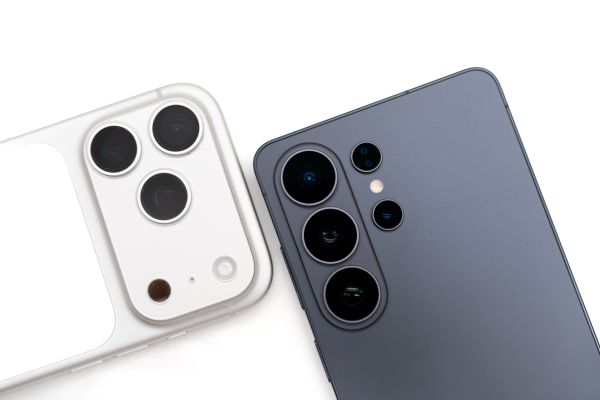
A guideline has been presented suggesting it can be more rational to repair a broken smartphone and keep using it, rather than automatically switching to a new device. If repair costs are 30 percent or less of the current device value and the user plans to keep using it for at least another year, repair may be worth considering.
On Sept. 7, tech media outlet Engadget set out criteria for deciding between repair and replacement as flagship smartphone prices and repair costs rise.
In the smartphone market, many flagship models have recently topped $1,000. Repair costs also vary widely depending on the damaged part and the model, ranging from under $100 to several hundred dollars. This means users need to weigh the current value of their smartphone against repair costs, rather than replacing it simply because they like the features of a new model.
The simplest benchmark is the ratio of repair cost to the device’s current value. Engadget judged that if the screen is cracked or battery performance has fallen, repair is worth it when the cost is 30 percent or less of the phone’s current market value and the user plans to keep it for at least another year. Repair may also be advantageous when damage is limited, such as a faulty charging port or a broken camera lens. If damage is extensive, such as water exposure, or if the likelihood of additional failures in other parts is high, repair may be less economical.
Longer software support periods are another reason to consider using a phone after repair. Apple iPhones have generally provided software updates for long periods. Samsung Electronics has also decided to provide up to 7 years of software updates for S series and Z series flagships starting with the Galaxy S24 series. If the hardware can be restored to normal, it can be used for a long time without replacing it with a newer model.
On the other hand, replacement may be more rational if the smartphone’s performance has significantly deteriorated. Engadget explained that if a phone has become noticeably slow and its warranty has ended, it is better to consider replacement. Fixing external issues such as the screen or battery does not improve processor performance or the overall user experience.
If there are multiple faults, repair costs can rise quickly. In particular, if mainboard damage and frame deformation occur at the same time, repair costs can approach the price of a new device. By contrast, using device protection services such as AppleCare+ or Samsung Care+ can reduce the burden of repair costs.
Trade-in programs are also a way to reduce replacement costs. But a damaged smartphone may have a lower trade-in value than a normal device, and some retailers or manufacturers sometimes raise trade-in benefits during certain periods.
If switching operating systems, users should also consider the cost of moving ecosystems. Both iPhone and Android provide tools to transfer key data such as photos and contacts, making it easier than in the past to move between devices. But if existing accessories or peripherals are tailored to a specific operating system, replacing the phone with a product in the same family may be more convenient.
Ultimately, when deciding whether to repair or replace a smartphone, it is important to consider the current value of the device, repair costs, remaining software support period and performance condition, rather than the desire to have the latest model.
In particular, if repair costs are 30 percent or less of the current device value and the user plans to keep it for at least another year, the balance may tilt toward repairing and continuing to use it. If performance deterioration is severe or complex issues occur, such as water exposure or mainboard damage, it may be a more rational choice to replace the device after considering repair costs and the likelihood of future failures.
 Jinju Hong (홍진주)
hongjj@d-today.co.kr
Jinju Hong (홍진주)
hongjj@d-today.co.kr