
Small plug-in solar systems that connect to a household power outlet are being legalised one after another in the United States, lowering barriers to entry for residential solar. It is a sign that a system already used by millions of households in Europe is moving into the U.S. mainstream.
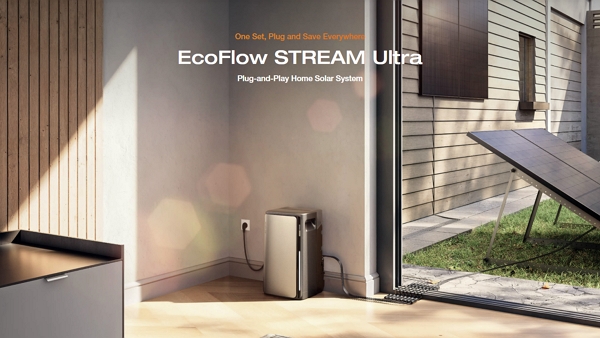
The Verge reported on Sept. 6 that plug-in solar is a system that uses electricity produced by linking a small panel with a microinverter for use inside the home. With a battery added, surplus power generated during the day can be stored for nighttime use or used as emergency power for essential appliances such as refrigerators during outages.
The biggest advantages are price and ease of installation. Existing rooftop solar in the United States starts at about $15,000 and often requires contractors, permits and approval from power companies. Plug-in products, by contrast, can be purchased starting at about $300, and consumers can install them themselves on balcony railings or walls.
The spread has been driven by regulatory changes. After Utah reclassified plug-in solar as a small household device last year, Virginia, Maine, Colorado, Maryland, New Jersey, Connecticut, Vermont and New Hampshire also 마련했다. In California and New York, related bills are awaiting governors' signatures.
Detailed rules vary by state, but they generally require safety certification, protections against circuit overload and an automatic shutoff function during outages. In the United States, many cases allow output of up to 1,200 watts, higher than the typical 800 watts in Europe.
In Europe, about 1,500,000 households in Germany alone are estimated to have bought plug-in solar. As the market expands, energy storage companies such as EcoFlow, Bluetti and Anker are also increasing related products.
Plug-in solar cannot replace large rooftop installations, but it is emerging as a new niche in the residential energy market by allowing access to solar power for renters and consumers 부담스러운 initial investment costs.
 Jaewon Choi
ittt_0801@d-today.co.kr
Jaewon Choi
ittt_0801@d-today.co.kr