
Search results for UCLA

Mobility
Tesla Cybercab faces U.S. safety audit over lack of steering wheel and brake pedal
Tesla’s driverless robotaxi, the Cybercab, has become the subject of a U.S. federal safety standards review shortly after it began carrying regular passengers. The National Highway Traffic Safety Administration has launched an audit query to examine Tesla’s basis and procedures for claiming the Cybercab meets current federal vehicle safety standards without a regulatory exemption. The review covers self-certification for up to 1,000 vehicles and related technical materials, and could lead to changes or enforcement actions.
Crypto
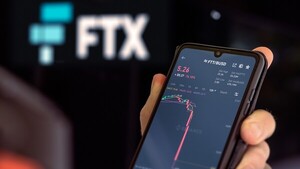
U.S. government sells Anthropic stakes held by FTX insiders, stays silent on proceeds
The U.S. government sold Anthropic stakes seized from Caroline Ellison and Nishad Singh, figures tied to the FTX collapse, to existing investors, but did not disclose the sale timing, buyers or price. It has not been decided whether the proceeds will go to compensate FTX victims or be retained by the government. Anthropic’s surging valuation has heightened interest in the sale, while lawyers and victims cite uncertainty over how much could reach victims.
AI & Enterprise
AI writing detectors fuel era of distrust, with human work under suspicion
AI detection tools are spreading in classrooms and online writing spaces, adding a new layer of distrust. As generative AI tools such as ChatGPT, Gemini and Copilot proliferate, scrutiny is shifting from plagiarism checks to identifying AI-written text. Surveys show many U.S. teachers use detectors, but their judgments are less transparent and can misclassify non-native English writers. Publishers and schools face disputes and lawsuits, while some universities limit or disable detectors and adjust assessment methods.
-
AI & Enterprise
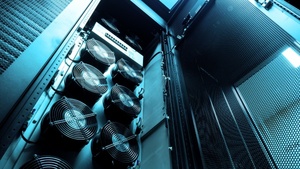
Fervet unveils next-generation bubble-based liquid cooling for AI data centres
-

People & Appointments
Hanwha Group, KAIST recruit fifth cohort for middle school space talent programme
-

AI & Enterprise
Google DeepMind releases one-year results for AlphaEvolve; DNA variant detection errors cut 30 percent