
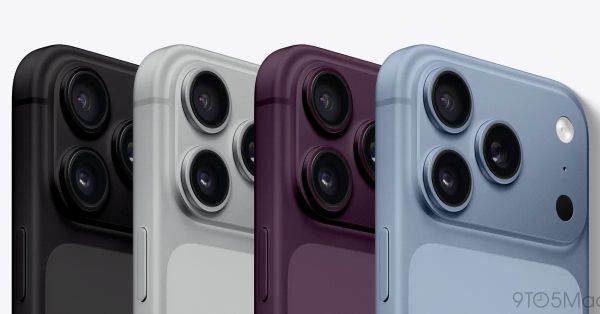
Apple may not release the iPhone 18 base model this fall and could instead put the iPhone 18 Pro forward as its de facto main standard model.
NineToFiveMac reported on Tuesday that Apple could break away from its existing structure of launching standard and Pro models at the same time as it reshuffles this year’s iPhone lineup.
The key is the absence of the iPhone 18 base model. Multiple forecasts so far suggest Apple is considering delaying the iPhone 18 and iPhone Air 2 to early 2027. If so, this fall’s lineup would narrow to the iPhone 18 Pro, iPhone 18 Pro Max and iPhone Ultra.
In that case, the iPhone 18 Pro would not be simply a higher-end model but become Apple’s de facto standard new product this year. The outlet said, "Because there is no iPhone 18 base model, the iPhone 18 Pro becomes Apple’s basic new model this year." If the standard model was usually the first one new iPhone buyers encountered, the Pro would take its place this year.
Consumer choices would also change. Users wanting a cheaper device could choose last year’s iPhone 17, iPhone 17e or iPhone Air. But in marketing by Apple and its carrier partners in the second half, a base-model new product called "iPhone 18" would no longer take center stage.
Even if the iPhone Ultra is unveiled alongside them, it is expected to be closer to a high-priced strategic product than a mass-market model. The outlet also expected the iPhone Ultra to be too expensive and relatively niche. As a result, practical choices for ordinary consumers looking to buy a new iPhone could be reduced to two options: the iPhone 18 Pro and iPhone 18 Pro Max.
Such a reshuffle could bring both opportunity and burden to Apple. If the Pro model gains the status of the standard new product, the sales center of gravity could shift toward the higher-end lineup. The outlet said the change could make the iPhone 18 Pro a new best-selling Pro model. But if it coincides with the possibility of price increases, there is also a risk that replacement demand could be weaker than expected.
In particular, if there is no new entry-level model, some users considering an upgrade could keep using their existing iPhones longer. The outlet also said that, with no iPhone 18 base model to switch to, upgrade demand could move into a waiting mode. For Apple, it is a chance to raise its average selling price, but the structure could increase uncertainty in shipment volumes.
The change places more weight on lineup strategy than on product features. Apple has released multiple new iPhones together each year, but it appears to be trying to redistribute demand this year by splitting launch timing. If it delays the base model and puts the Pro models forward, a premium-model-focused sales strategy could become clearer in the second-half market.
The key points to watch are the actual launch schedule and consumer reaction. Whether the iPhone 18 and iPhone Air 2 will be pushed back as planned to early 2027, and whether a Pro-focused lineup will lift replacement demand, is expected to be confirmed after the unveiling. Whether Apple’s adjustment becomes a card to boost sales or a factor that increases waiting demand should become clear in the coming months.
 Jinju Hong
hongjj@d-today.co.kr
Jinju Hong
hongjj@d-today.co.kr