
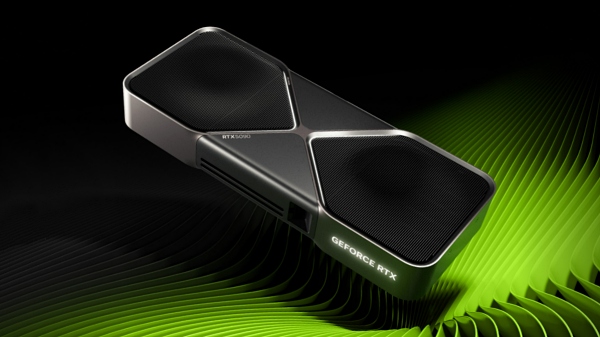
An outlook suggests desktop GPU prices are increasingly likely to rise again in the second half of 2026. Concerns over another increase are spreading as higher video memory prices coincide with moves by regional distribution networks to adjust prices.
Tech outlet TechRadar reported on Aug. 5 that the immediate trigger was Japan parts distributor CFD advising customers of possible price increases for Gigabyte graphics cards. The increase was discussed at about 20 to 40 percent. It also reportedly included the possibility that existing orders from retailers could be cancelled.
The move coincides with talk in South Korea of increases of up to 30 percent for the RTX 5000 series. Expectations have also persisted that Nvidia is shifting more of the burden of video memory costs onto partners. The prospect that Gigabyte adjustments in Japan could affect products from both Nvidia and AMD is also adding to market anxiety.
Memory is the key variable. Rising video memory prices are being cited as the main factor pushing GPU prices higher. In particular, expectations are growing that 16GB products, with larger memory capacity, could take a bigger hit. The outlet said, "The more expensive memory modules become, the more 16GB graphics cards could be hit the hardest."
Such differences were also seen in average prices by region as of late July. Price increases for lower-end products such as the RTX 5050, RTX 5060 8GB and RTX 5060 Ti 8GB were still relatively limited. By contrast, the RTX 5060 Ti 16GB rose more than 40 percent in the United States compared with November 2025, and was up 14 percent compared with April 2026, it said.
In the midrange segment, Nvidia's RTX 5070 was assessed as relatively stable. Prices at or below the suggested retail price from late last year have disappeared, but at current levels it was still described as a "decent buy." Its 12GB memory configuration was also cited as a reason it faces less pressure from rising prices.
On the AMD side, the Radeon RX 9070 and RX 9070 XT were seen as holding up relatively well. Both are RDNA 4-based 16GB models, but prices have generally been stable in recent months. In many regions, gains since late 2025 were limited to about 10 percent. In the United States, however, the RX 9070 XT was an exception, rising by nearly 20 percent from a year earlier.
That has split views on purchase priorities at the current time. Midrange products with proven price resilience, such as the RTX 5070 and the RX 9070 lineup, were seen as better to buy now. By contrast, higher-end Nvidia products from the RTX 5070 Ti and above have already seen price increases viewed as worrying, with the possibility of further rises also being discussed, making them difficult to recommend right away.
It may be too early to feel safe even with lower-priced products. An outlook suggests models that have not yet risen much could soon enter an upward trend. The RX 9060 XT 16GB has already become more burdensome in price, similar to the RTX 5060 Ti 16GB.
Market uncertainty is also evident in forecasts for memory supply and demand. TechRadar said it is unclear when this memory crisis will end, and some forecasts are pessimistic enough to suggest it could affect the remainder of this decade. With that backdrop, it said demand from those weighing a GPU upgrade could keep leaning for some time toward considering midrange and some entry-level models before prices rise further.
 Jinju Hong
hongjj@d-today.co.kr
Jinju Hong
hongjj@d-today.co.kr