
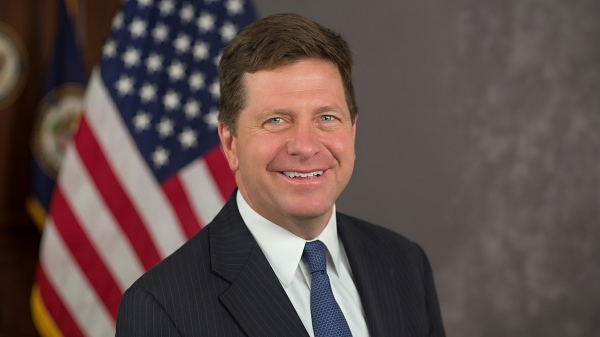
Jay Clayton (제이 클레이턴), former chairman of the U.S. Securities and Exchange Commission, has been formally sworn in as U.S. director of national intelligence.
Blockchain outlet U.Today reported on Aug. 4 that Clayton completed the oath of office after winning Senate confirmation by a narrow 51-47 vote.
Clayton will take over the post overseeing all U.S. intelligence agencies, succeeding Tulsi Gabbard. White House special assistant Margo Martin announced the oath-taking on Aug. 4. The director of national intelligence is the top intelligence official overseeing the U.S. intelligence community.
In the cryptocurrency industry, Clayton is linked above all to the Ripple lawsuit. The SEC filed a major lawsuit on Dec. 22, 2020 against Ripple Labs, CEO Brad Garlinghouse and executive chairman Chris Larsen. It was Clayton's last day leading the SEC.
Clayton left the SEC shortly after the lawsuit was filed, but the case continued under his successor Gary Gensler. Ripple later notched several meaningful courtroom wins, and the process left changes in the SEC's approach to crypto enforcement.
A notable point is Clayton's moves after leaving office. He joined the advisory board of One River Asset Management in March 2021. The firm's digital asset unit was focused on investing in bitcoin and ethereum. As the figure who had sued Ripple at the SEC joined advisory work for a digital-asset-related company after stepping down, views within and outside the industry also shifted.
A few months later that year, he also joined the advisory board of crypto infrastructure company Fireblocks. At the time, Clayton described Fireblocks as a leader in the evolving digital asset sector. He also said digital asset custody should maintain institutional-grade security while securing stronger regulatory clarity.
In comments after leaving office, Clayton has shown a relatively friendly stance toward blockchain and institutional frameworks. He expressed support for creating clear rules on stablecoins, decentralised finance and bitcoin exchange-traded products, and recently predicted there was a high possibility that comprehensive U.S. crypto legislation would emerge under the current administration.
The appointment is not for a crypto policy role, but the industry is paying attention to its symbolism because of Clayton's background. Late in his SEC tenure, he approved the Ripple lawsuit, and after leaving office he worked with bitcoin and ethereum investment firms and a crypto infrastructure company, showing a clear shift in stance. As a result, attention is expected to continue on what points of contact Clayton's future public comments and influence in Washington could create with discussions on digital asset regulation.
 Jinju Hong
hongjj@d-today.co.kr
Jinju Hong
hongjj@d-today.co.kr