
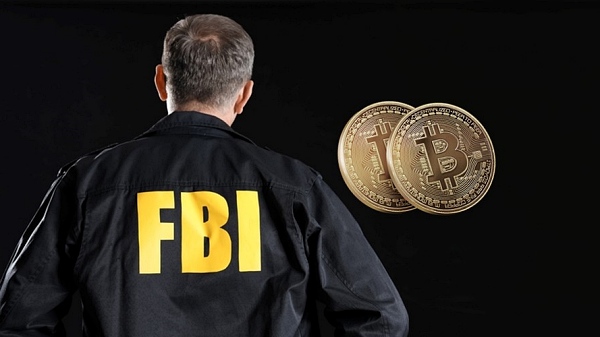
A former FBI supervisory special agent has been indicted on charges of siphoning off about $1 million in assets by using access information for cryptocurrency wallets obtained during investigations. The case has been cited as an example of security risks that can arise when internal access rights and wallet management information are combined.
Decrypto, a blockchain media outlet, reported on Aug. 3 that Patrick Steven Yaroch (패트릭 스티븐 야로크) was indicted on charges of interstate transportation of stolen property and receipt of stolen property.
Prosecutors believe Yaroch, who worked in the FBI’s counterintelligence and espionage unit from early 2025 to July 2026, moved funds from cryptocurrency wallets under investigation to accounts he controlled. He held Top Secret security clearance at the time.
According to investigative records, Yaroch checked the seed phrase, or recovery phrase, for a cryptocurrency wallet obtained in an investigation linked to a foreign hostile power through FBI systems. Investigators say he then memorised the phrase, created a personal wallet and moved funds about 10 times.
Yaroch is reported to have stated during the investigation that the amount of cryptocurrency assets he moved grew over time to about $1 million.
Prosecutors also pointed to Yaroch’s actions just before his arrest. According to the complaint, on July 28 he contacted a Justice Department employee via the Signal messaging app, saying he wanted to discuss a personal issue. The record says that when they met at FBI headquarters, he "immediately began to unload his story as if collapsing."
During searches, investigators found a Trezor hardware wallet and handwritten cryptocurrency seed phrases. Authorities also checked Yaroch’s Kraken account, which held assets worth about $188,570. Of that, about $166,000 was in U.S. dollars and about $18,000 was in USDC, and some cryptocurrency including bitcoin was also included, the report said.
The case also found records showing Yaroch used generative AI. Authorities secured multiple ChatGPT conversations from his phone. On May 28, Yaroch asked ChatGPT how to invest or use about $1 million "to maximise profits and returns." Investigators say he later asked how someone with $1 million could leave the United States and obtain residency or citizenship in a European Union country.
Prosecutors said they later found signs in search and AI chat records that he had reviewed the possibility of moving abroad. They included whether U.S. citizens need a visa when transiting Turkey and information on jobs and living in Greece, and investigators are reported to have secured Portugal-related documents and materials on family travel plans.
Yaroch is reported to have replied, "I had no plan to move funds to Portugal," after investigators said they had confirmed a Portugal-related power-of-attorney document. Prosecutors, however, view the records as showing he reviewed overseas travel together with plans for managing funds.
Authorities determined on July 31 that there was probable cause for an arrest based on Yaroch’s confession, seized cryptocurrency assets, digital records and materials related to overseas travel.
The case is drawing attention as an example of risks that can arise if wallet information obtained in cryptocurrency investigations and internal access rights are abused. In particular, because blockchain assets are structured so that whoever has the seed phrase effectively controls the assets, internal security management and access control at investigative agencies are expected to become more important.
 Jinju Hong
hongjj@d-today.co.kr
Jinju Hong
hongjj@d-today.co.kr