
Tesla said it is developing a dedicated robotaxi for wheelchair users in Texas.
On July 13, local time, electric-vehicle outlet Electrek reported that Tesla told a Washington, D.C. City Council hearing it is developing a purpose-built autonomous vehicle with wheelchair access.
The remarks came during a session discussing legislation that could allow robotaxi services to operate in Washington. India Herdman (India Herdman), a senior Tesla policy adviser, told council members, "We are developing a purpose-built autonomous vehicle with wheelchair access." She added, "People who permanently rely on wheelchairs should also be able to move freely. This is a real, in-progress product Tesla is making in Texas."
Tesla did not disclose when the vehicle will be released, its specific model, or detailed specifications. The company did not issue a separate position in response to additional questions, and Herdman also did not mention when the vehicle would come out.
Tesla’s current driverless vehicle service has limitations in terms of accessibility. Tesla is operating small-scale driverless vehicle runs in Austin, Dallas and Houston, and in Miami starting this month, but the Model Y used there is not structured to accommodate a wheelchair rider.
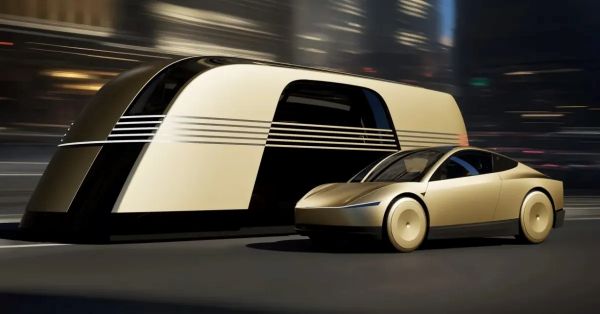
Tesla’s dedicated robotaxi, the Cybercab, which it is also preparing, is also far from a wheelchair-accessible vehicle. The vehicle is a two-seater without a steering wheel or pedals. Tesla highlighted accessibility elements such as braille markings and seats set to wheelchair height in a post on X, formerly Twitter, this month, but the design requires passengers to climb into the vehicle, which differs from a method in which wheelchair users can board as they are.
Tesla has previously included accessibility language in its robotaxi app. A separate item in the app last fall added the phrase, "We are working towards an accessible vehicle service." In practice, however, it was not Tesla’s own service but a method that connected users to third-party wheelchair vehicle providers. Elon Musk once replied, "Of course," to a related post, but it did not disclose a plan for its own vehicles.
The most likely candidate mentioned in the industry is the Robovan. Tesla unveiled the bus-type autonomous vehicle Robovan at its We, Robot event in October 2024, saying it could carry up to 20 people or transport cargo. A van with a low floor and wide interior space makes it easier to add wheelchair ramps and securing devices, aligning with the common platform of existing wheelchair taxis.
The problem is that Robovan’s price and launch schedule have also not been disclosed. There is talk that the name could be changed to "Robobus" based on trademark filing indications, but Tesla did not say whether the Texas-developed vehicle it mentioned this time is Robovan or a new model. For now, it has not been confirmed whether the wheelchair-accessible robotaxi is a separate new car or whether it is describing the existing Robovan plan in different terms.
Taken together, the circumstances suggest there is more weight to the possibility that the remarks reuse Robovan. That is because if Tesla is developing a dedicated wheelchair autonomous vehicle, Robovan would be the most natural base body, yet the company has not officially linked the two products or mentioned a Robovan launch schedule since its 2024 unveiling. With no specific model, specifications or timeline presented, the phrase "a real, in-progress product" is being assessed as still remaining a claim.
In this situation, the remarks have more the character of a policy response than a product unveiling. The Washington, D.C. City Council is concerned that robotaxis could exclude wheelchair users. Tesla said it is developing an accessible vehicle in response to such concerns, but it has not yet presented a schedule and specifications that would allow a judgment on commercialisation.
Two points will be watched going forward. They are whether Tesla will actually unveil a dedicated vehicle design that can accommodate wheelchair boarding, and when it can connect it to an autonomous robotaxi service. Tesla’s related remarks currently remain at the planning level, and for them to lead to an actual service, large-scale operation of an unmanned autonomous driving system would also need to be supported.
 Seung-a Yoo
ysah@d-today.co.kr
Seung-a Yoo
ysah@d-today.co.kr