
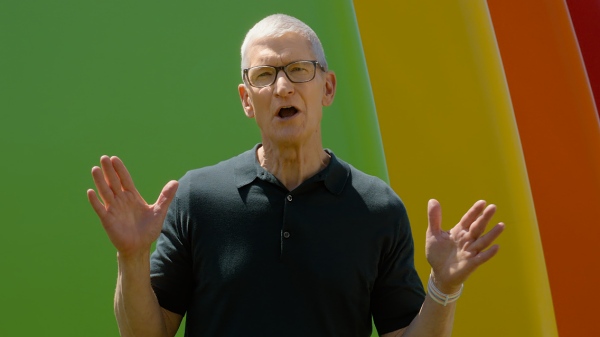
Apple is moving to raise prices for its products, citing a shortage of RAM supply.
On June 17, foreign media including 9to5Mac and Engadget reported that Apple CEO Tim Cook (팀 쿡) said in an interview with the Wall Street Journal that price increases were inevitable due to a shortage of memory supply and a sharp rise in costs.
Cook said Apple has absorbed rising costs internally so far, but the situation has become difficult to sustain. "Unfortunately, price increases are unavoidable," he said. "We did our best to soften the big increases being passed on to us and to protect customers, but the situation has reached an unsustainable level."
The remarks follow Apple’s recent adjustment to the Mac mini’s starting price structure. Apple raised the entry price of the Mac mini by removing the base storage model from the lineup.
The comments are seen as effectively formalising the possibility that Apple may soon raise prices on major hardware. Cook did not disclose the size of any increase or when it would take effect. Apple recently wrapped up WWDC 2026 and plans to unveil the iPhone 18 series within months. That has increased the likelihood that the next iPhone will be more expensive than the previous model, and new laptops and tablets to be introduced this year are also expected to follow the same trend.
The direct driver of the price pressure is the memory market. Cook pointed to a situation in which demand for consumer devices and a shortage of parts supply have coincided. "Consumers want devices, but supply is smaller, and memory makers are passing on large price increases," he said. "Memory prices and supply for consumer products need to return to a reasonable level. That is the key."
The supply crunch is attributed to a surge in parts demand across the industry driven by the spread of AI. As competition to secure memory intensifies, Apple’s next products, as well as products currently on sale, could come within the scope of price increases.
Cook stressed that instability in the memory market is at an unusual level. "In more than 40 years, I have never seen a situation like this in any field," he said. It is also notable that a CEO nearing retirement directly raised the possibility of price increases. This is seen as the current management sending a signal to the market before his successor, John Ternus (존 터너스), takes on the burden of announcing increases. Cook drew a line on specific pricing policy and timing.
Apple is not the only company facing such pressure. In recent months, Samsung Electronics, HP, Microsoft, Nintendo and Valve have also mentioned the impact of sharply rising RAM prices and rising demand on product prices and business operations. If memory supply and demand do not normalise in the short term, the trend of price increases could spread across major IT companies.
For Apple, pricing strategy for the next iPhone, Mac and iPad has emerged as a key variable for the second half. Ultimately, market attention is focused on which products Apple will adjust first and by how much.
 Yu Seung-a
ysah@d-today.co.kr
Yu Seung-a
ysah@d-today.co.kr