
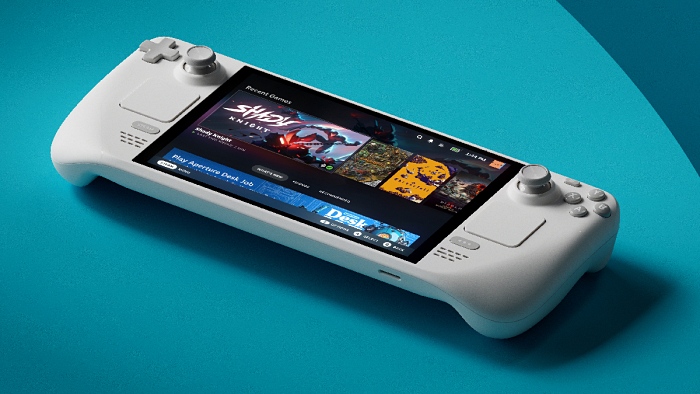
[DigitalToday reporter Jinju Hong (홍진주)] Valve has raised the price of its Steam Deck handheld gaming PC by up to $300.
IT outlet Engadget reported on May 27 that the price adjustment stems from rising memory and storage costs and growing global logistics burdens.
The increases were particularly large for higher-end OLED models. The 512GB OLED model rose by $240 to $789 from $549. The 1TB OLED model increased by $300 to $949 from $649. The 1TB model jumped by nearly 50 percent, sharply increasing the burden on consumers.
Valve explained the reasons for the increase by saying, "There are no changes to the Steam Deck product itself." In a notice, the company said, "The new prices reflect current parts costs and industry-wide global logistics issues," and added, "We will provide an update again if circumstances change."
The industry views the move as linked to a worsening memory supply crunch, rather than a simple price increase. In the handheld gaming PC market, some products have recently faced inventory shortages due to supply issues for memory and storage devices. Steam Deck supply has stabilised again, but parts price pressures are seen as continuing.
Used and refurbished products were not spared. Valve kept refurbished prices for discontinued LCD-based models unchanged, but also raised prices for refurbished OLED products. The 512GB LCD refurbished model remained $359, but the 512GB OLED refurbished model was set at $629 and the 1TB OLED refurbished model at $759.
The market is also offering analysis that the expansion of the artificial intelligence (AI) industry is one factor behind the price rise. As AI companies aggressively expand data centres, competition to secure memory and storage devices has intensified, and the impact is spreading to consumer hardware prices. Sony and Nintendo have also moved to raise prices for the PlayStation 5 (PS5) and Nintendo Switch 2, respectively, and Lenovo has raised prices for its handheld gaming devices.
The increases are also seen as potentially affecting Valve's strategy for new hardware. The industry sees next-generation products discussed as 'Steam Frame' and 'Steam Machine' as unlikely to be free from the burden of memory and storage costs. Valve mentioned early this year that it wanted to launch the new hardware within the year, but did not give a definitive answer on a specific timetable.
Ultimately, analysis suggests the Steam Deck price hike is not just an issue for a single product, but an example of how the spread of AI and instability in semiconductor supply are affecting the broader gaming hardware market. The industry is watching whether there will be further price increases and is also focusing on Valve's pricing strategy for next-generation hardware.
 Jinju Hong
hongjj@d-today.co.kr
Jinju Hong
hongjj@d-today.co.kr