
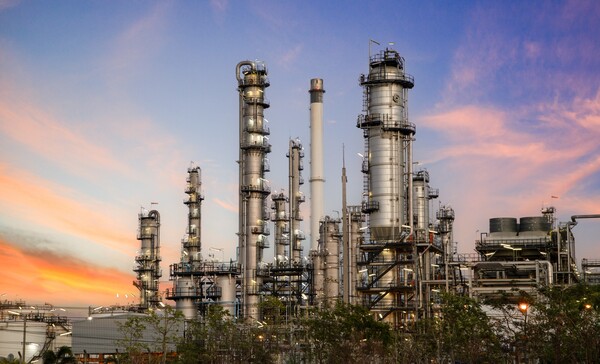
U.S. big tech companies are increasingly moving to build natural gas power plants to secure electricity for artificial intelligence data centres, raising tension across the energy market.
On April 3 local time, IT outlet TechCrunch reported Microsoft, Google and Meta have entered competition for fuel and equipment to lock in large-scale power demand, and the fallout could spread to electricity bills and industry as a whole.
The most aggressive move is by Microsoft. The company is building a natural gas power plant in western Texas with Chevron and Engine No. 1, and is reviewing a plan to expand it to as much as 5 gigawatts in the long term. Google is also pushing a 933 megawatt plant in northern Texas with energy company Crusoe. Meta has said it will add seven power plants at the Hyperion data centre site in Louisiana, expanding total capacity to 7.46 gigawatts.
A key reason investment is concentrated in the U.S. South is its abundant natural gas resources. The U.S. Geological Survey recently assessed the region's reserves as being "enough to supply energy for about 10 months across the entire United States". That is why data centre operators are seeking to secure resources to ensure stable power supply.
But the competition to secure power is creating new bottlenecks. A prominent example is shortages of gas turbines, a key piece of equipment for power plants. Energy consultancy Wood Mackenzie analysed that turbine prices could rise by as much as 195 percent by the end of this year from 2019. Turbines account for 20 to 30 percent of a power plant's construction cost, and supply shortages could lead not only to higher costs but also to project delays. Forecasts say new orders may be difficult until 2028, and delivery times could be as long as 6 years.
Big tech's strategy is based on the premise that demand for AI will continue to rise and that natural gas will fill the resulting power shortfall. But some raise the possibility that this assumption could falter. According to the U.S. Energy Information Administration, natural gas is a key energy source that accounts for about 40 percent of U.S. electricity generation, and higher gas prices could directly lead to higher electricity bills.
In particular, even if companies use the "behind-the-meter" method of separating plants from the grid and directly connecting them to data centres, the overall burden of energy demand does not decline, critics say. The burden merely shifts from the power grid to gas supply networks, and tensions across the broader energy market remain.
The possibility of conflict between industries is also growing. Data centres can partly substitute with a combination of renewable energy and batteries, but traditional industries such as petrochemicals still have a high dependence on natural gas. If weather risks such as cold snaps are added, choices over energy allocation could become unavoidable. In situations where supply drops sharply, as in the 2021 Texas cold snap, there are concerns that an extreme choice could become reality: whether to run data centres or prioritise household heating.
The power race in the AI era is emerging as a factor that goes beyond companies securing infrastructure to shake energy prices, industrial structure and even social priorities.
 Jinju Hong
hongjj@d-today.co.kr
Jinju Hong
hongjj@d-today.co.kr