
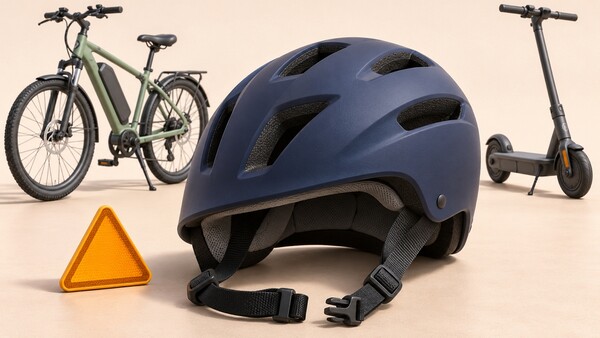
A study finds injuries among teenagers using e-bikes and electric scooters in the United States are surging. The study raises the need for tighter safety rules on teenagers' use of electric mobility devices, as the rates of severe injuries and brain injuries are higher than for conventional bicycles and scooters.
On Nov. 18, Japanese media outlet ITmedia reported that a joint research team at Stanford University published the findings in the Journal of the American Medical Association (JAMA).
The researchers analysed 13,307 cases of transport-related injuries among patients under 18 treated at six major U.S. pediatric hospitals from January 2023 to March 2026. The cases included accidents involving e-bikes, conventional bicycles, electric and non-electric scooters, and skateboards.
The analysis shows the incidence of e-bike injuries rises an average of 33 percent each quarter, and electric scooter injuries increase 15 percent. Over the same period, conventional bicycle injuries increase 2 percent and non-electric scooter injuries rise 4 percent.
The severity of injuries also differs. The share of severe injuries such as intensive care admission, major organ damage, or fractures requiring surgery is 8 percent for e-bikes, twice that of conventional bicycles at 4 percent. Electric scooters are also higher at 5 percent, compared with 2 percent for non-electric scooters.
The share of brain injuries is 10 percent for e-bikes and 9 percent for electric scooters, about twice that of non-electric devices. Some 17 percent of e-bike injury patients require hospitalisation.
The impact on younger children is also notable. Of e-bike injury cases, 24 percent occur among children under 12, and 44 percent for electric scooters.
The researchers suggest higher travel speeds and a lack of helmet use may have contributed to serious injuries. They propose tightening age limits for use of electric mobility devices, speed regulation and requirements to wear protective gear.
Some areas of California in the United States are introducing regulations, including limiting use of high-speed e-bikes to those aged 16 and older.
The researchers explain that because the study does not reflect actual usage of electric mobility devices, it cannot compare accident risks by device. They add that increased use of accident classification codes may also have partly contributed to the rise in injury rates.
 Choi Jae-won
ittt_0801@d-today.co.kr
Keyword
#Stanford University #JAMA #California #United States #ITmedia
