
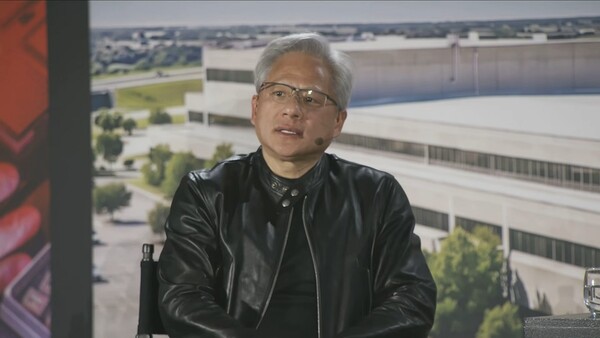
A movement calling for the return of former Nvidia Chief Executive Jensen Huang (황) is spreading. As questions are raised about the credibility of evidence surrounding allegations of links to a Chinese spy, a key issue has emerged: what the Nvidia board actually took issue with in accepting Huang's resignation.
On Nov. 15, Business Insider said Huang's chances of returning depend not only on whether the spy allegations are true but also on how the board assessed questions of his integrity and trustworthiness.
Nvidia announced on Nov. 12 that Huang stepped down as CEO, president and director. It named Chief Financial Officer Colette Kress as interim CEO and began searching for a successor, but did not disclose a specific reason for his resignation.
After that, the Stand with Jensen movement urging his return spread. The petition's organisers said no evidence supporting the spy allegations has been made public and argued that Huang, who led Nvidia for 33 years, should be guaranteed a sufficient opportunity to explain and a fair investigative process.
As of Nov. 16, more than 150,000 people were reported to have signed the petition. Elon Musk, Tesla's CEO, and Tim Sweeney (Tim Sweeney), Epic Games' CEO, along with other key Silicon Valley figures, also voiced support.
Reports also said Huang is reviewing the possibility of returning. The Financial Times reported on Nov. 15 that Huang discussed ways to return as CEO with close associates and that supporters are working to persuade the board and secure support from the White House. No official decision on a return has been made.
The controversy began with U.S. intelligence suspicions involving Alice Huang, a Chinese-origin businesswoman who Huang was reported to have had ties with. It has not been confirmed whether Alice Huang actually acted for a Chinese intelligence agency.
Business Insider raised the possibility that forces seeking to tighten U.S. curbs on AI technology exports to China may have exaggerated the intelligence suspicions. It cited an interpretation that Huang's exit, after he showed a relatively flexible stance on access to the China market, could work in hardliners' favour.
That, however, is an analysis about political motives, not a confirmed fact. The fact that the spy allegations have not been sufficiently proven does not by itself justify Huang's return.
Huang's past explanations and internal reporting process are also controversial. The New York Times reported that Huang recently acknowledged the relationship to Nvidia's general counsel. Previously, Huang explained in media interviews that his relationship with Alice Huang was a typical business relationship with a customer company.
Reuters also reported that Huang did not fully inform company executives about the relationship. It also separately raised allegations of an extramarital relationship with an employee who reported directly to him.
From a corporate governance perspective, management's honesty and internal reporting duties can be key criteria. If the board placed more weight than the spy allegations on damaged trust and potential conflicts of interest, the outcome of the investigation could determine whether he returns.
The Nvidia board has appointed external legal experts to conduct an independent investigation. As a result, the key to future talks on his return is expected to be not only whether the spy allegations are substantiated but also what basis and process the board used to decide on a leadership change.
 Jaewon Choi
ittt_0801@d-today.co.kr