
The spread of artificial intelligence data centres is adding strain to electric vehicle supply chains. As AI companies secure large volumes of memory and electronic parts, competition among automakers to procure components is also intensifying. Rivian warned that shortages are widening from memory chips to printed circuit board (PCB) materials, raising costs and risking production disruptions.
InsideEVs, an electric vehicle outlet, reported on Nov. 11 that Rivian Chief Executive RJ Scaringe (RJ 스카린지) said in a recent interview that surging demand from AI companies is directly affecting prices and supply of general-purpose automotive components.
Memory is the biggest burden. Scaringe said, "Even 3 years ago, I didn't spend a lot of time on memory. Back then it was a general-purpose component." He added, "Now we are spending a tremendous amount of time on memory planning and board-level optimisation, usage methods and procurement strategies."
As vehicles become more electrified, memory has become a key component supporting smart cockpits and autonomous driving systems. With memory demand from AI data centres also surging, it is becoming increasingly difficult for automakers to secure the volumes they need.
In the background is a reshaping of DRAM production capacity. As memory makers allocate production capacity first to more profitable AI-related demand, supply conditions are worsening for other industries, including autos.
The burden is spreading across the auto industry. Apple cited rising data centre-driven memory costs as a reason for price increases for laptops and some devices earlier this year. Chinese EV maker Li Auto also said in its disclosures this year that tight supply and price volatility for memory components such as DRAM and NAND flash are affecting smart cockpit and autonomous driving systems.
GM and Ford also mentioned rising memory costs in recent earnings announcements, and this summer they signed long-term supply contracts with Micron. Automakers are moving toward long-term supply chain management to secure memory.
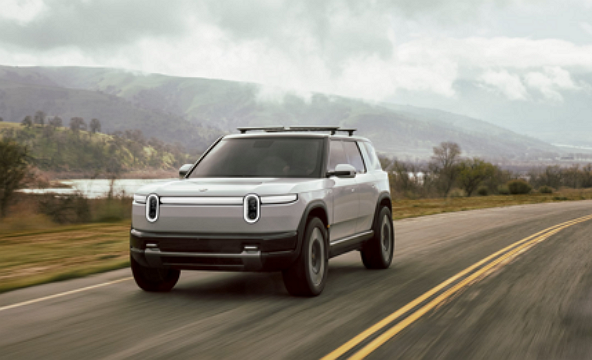
Rivian is also viewing rising component prices as a variable in its future product strategy. Scaringe said in a recent earnings announcement that it is seeking ways to offset higher costs for memory chips and other general-purpose components. With the company setting the starting price of its midsize EV R2 at $45,000, how much it can absorb rising component costs is expected to affect profitability.
The supply crunch is not limited to memory. Rivian hardware chief Vidya Rajagopalan (비디야 라자고팔란) said supply chain shortages have become a constant management challenge. "We are always dealing with supply chain shortages, and that's a headache for the business," he said. "The data centre boom has made it very difficult to obtain electronic glass materials used in printed circuit boards."
Multilayer ceramic capacitors, or MLCCs, were also cited as a new source of burden. Rajagopalan said, "In the past we didn't pay much attention to MLCCs, but that is no longer the case." MLCCs are basic parts that keep voltage stable in electronic circuits, and if supply tightens, production schedules could be disrupted even if other parts are secured.
Even in this situation, Rivian is continuing its in-house technology development. The company plans to use its in-house designed processor, RAP1, in the consumer R2 scheduled for release next year. It aims to use the chip with a new lidar sensor to implement more advanced automated driving functions in the future.
Still, the more the vehicle’s AI and autonomous driving functions are strengthened, the more demand for memory and electronic parts could rise. As investment to boost technological competitiveness also leads to greater supply chain strain, Rivian faces two tasks at once: in-house technology development and procurement of key components.
 Jinju Hong
hongjj@d-today.co.kr