
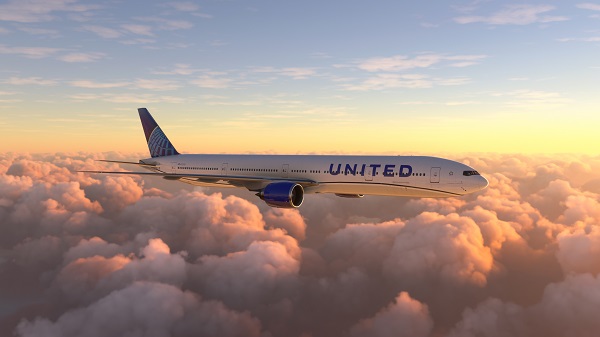
United Airlines will block personal AI agents from accessing its systems to book tickets, the Wall Street Journal (WSJ) reported on Tuesday.
United cited the risk that outside AI agents could expose sensitive customer information or make purchases customers do not want. It also cited the possibility that automated processing by AI could violate rules set by the U.S. Federal Aviation Administration (FAA) and the Transportation Department, the report said.
The two agencies have regulations on information airlines must show customers. If AI books on a customer’s behalf, the customer cannot see that information directly. An AI agent cannot attest at check-in that a bag contains no explosives.
AI agents will still be able to show United flights and prices to customers, but will not be able to complete payment on the website, the WSJ said.
Business interests also appeared to have influenced United’s decision to block AI agents.
United CEO Scott Kirby (스콧 커비) said at an event in Chicago on Monday, "Honestly, I don’t want to create another intermediary." Airlines have fought with intermediaries such as online travel agencies for years over how tickets are displayed and sold, the WSJ said.
United said there are not many bookings through AI agents yet.
With the emergence of agents such as Meta’s Muse and OpenAI’s Dots, banks and retailers are also considering how to respond. Some companies have accepted agents as a new sales channel, while others are pushing back, viewing intermediaries as able to disrupt routes for reaching customers through advertising. Amazon is also blocking purchase bots.
Other U.S. airlines are not publicly taking an opposing stance on AI agents. Southwest Airlines released a plugin this year that searches flights on ChatGPT. Delta Air Lines said AI assistants that have been authenticated can complete bookings. American Airlines said some agents such as Muse can buy tickets through certain partners.
 Chi-gyu Hwang
delight@d-today.co.kr