
U.S. defence contractor Anduril is entering the military laptop market in partnership with Qualcomm. It aims to reduce reliance on overseas production by building a supply chain that starts with products designed and assembled in the United States and expands to sourcing parts domestically.
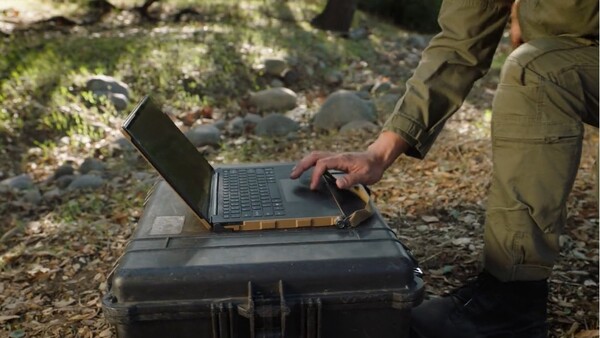
On Oct. 27 (local time), IT outlet The Verge reported that the two companies unveiled the BlueChip laptop lineup and are pushing for a 2027 launch. The first product is a rugged laptop targeting the U.S. military and other defence and government agencies, and a working prototype has been built.
BlueChip will use Arm-based Qualcomm Snapdragon X series processors. It is set to support Windows and two types of Linux operating systems, and it also has a rifle-sling-style handle to make it easier for soldiers to carry.
Qualcomm plans to produce the chip at Taiwanese company TSMC's U.S. plant in Arizona. Palmer Luckey (팔머 러키), Anduril's founder, also highlighted a function that runs AI models on the device without sending sensitive defence data to external clouds.
The product will be designed and assembled in the United States, but it will not be able to use all U.S.-made parts from the start. Circuit board assembly is set to take place at Anduril's Arsenal-1 facility in Ohio.
Anduril said more than 90 percent of its component procurement costs for the current prototype were spent on suppliers in the United States and allied countries. This does not mean 90 percent of the parts are U.S.-made. The two companies said overseas dependence for key parts could become a national security risk during supply chain crises.
Luckey said the share of U.S.-made parts in the launch product has not yet been decided, and it would be difficult for it to become a fully U.S.-made product. The plan is to produce the display glass and bezel, as well as some connecting parts, in the United States first.
The project will be funded by the two companies without government subsidies. It will initially focus on defence, where strict security and durability are required, then expand to emergency response and public safety, and then to the general consumer market. Specific sale prices and initial production volumes were not disclosed.
Still, building a parts supply chain for a 100 percent U.S.-made laptop is expected to take considerable time.
 Jae-won Choi
ittt_0801@d-today.co.kr