
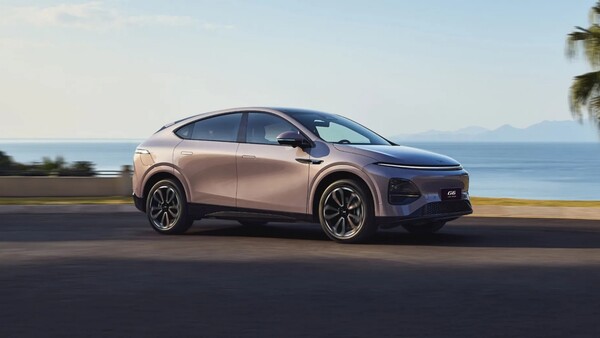
Chinese electric vehicle maker XPeng (XPENG) ranked first for a second straight year in a customer satisfaction survey of EV owners in German-speaking Europe, beating Tesla. The findings suggest in-car software, along with charging performance and driving range, is emerging as a key factor shaping brand competitiveness.
On Oct. 27, CleanTechnica reported that in German market researcher USCALE's 2026 EV satisfaction survey, 82% of XPeng owners said they would recommend the brand to others. That was up 1 percentage point from 81% last year and 29 points above the overall brand average of 53%. Tesla ranked second at 79%, followed by Skoda and Porsche at 67% each.
The survey was conducted in June and July in Germany, Austria and Switzerland among 4,004 people driving battery-electric vehicles less than 3 years old. It used the Net Promoter Score method, which measures willingness to recommend. XPeng was the only one of the 23 brands surveyed to record 0% of respondents saying they would not recommend it.
XPeng received high ratings for charging speed and charging management, as well as driving range. Satisfaction with its vehicle-linked app also improved sharply from a year earlier. The survey pointed to the need for improvements in route planning and power consumption.
Overall satisfaction with electric vehicles also rose. The Net Promoter Score for all brands increased to 38 this year from 33 last year, the highest level since the survey began.
The outlet highlighted XPeng's strategy of actively supplying its latest models and advanced driver-assistance technology to global markets. It evaluated as strengths the company's efforts to adjust technology to local traffic conditions and driving habits and to expand local research and development and production.
XPeng is also continuing partnerships with global companies, including pursuing technical cooperation with Volkswagen and integrating Google's technology into its systems.
Axel Sprenger (악셀 슈프렝거), chief executive of USCALE, said competition in the EV market is shifting from driving range and charging performance to software and connectivity and a seamless charging experience.
The survey participants were recruited via social media, meaning the results do not represent the views of all EV drivers in German-speaking Europe.
 Jae-won Choi
ittt_0801@d-today.co.kr