
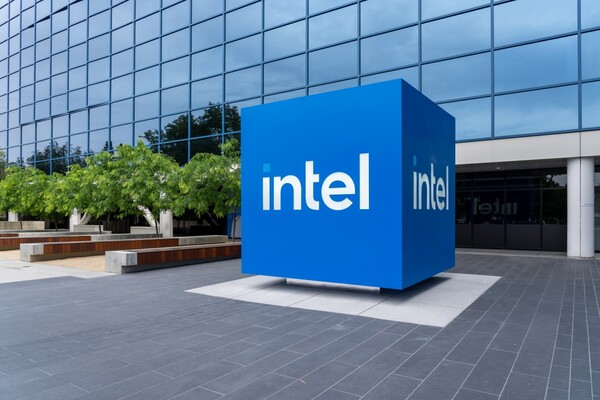
Intel has completed installation of the first major structural truss at a large semiconductor plant it is building in New Albany, Ohio, and has entered the next phase of construction. The plant is running at least five years behind the original plan.
CNBC reported on Oct. 21 that when Intel first unveiled the Ohio project in 2022, it said it would start shipping chips from 2025. It has since pushed back the schedule and now targets completion in 2030. A second plant is also planned for a site northeast of Columbus, with a completion target of 2031.
The announcement shows Intel is maintaining its stance of expanding advanced semiconductor production capacity in the United States. Naga Chandrasekaran, head of Intel Foundry, said in a post on the company website that the installation was "another important step toward expanding advanced semiconductor manufacturing capacity in the United States."
But progress on construction alone is not enough. Intel must secure external customers to monetise the investment. The Ohio plant is one of the core bases for Intel's strategy to expand its foundry business making chips for external customers, but no clear large customers have been confirmed so far.
The delay in the plant is tied to a shift toward a more cautious approach in Intel's foundry strategy under CEO Lip-Bu Tan (립부 탄). Under former CEO Pat Gelsinger, Intel moved aggressively to expand production bases, but Tan, who took charge of management in 2025, adjusted the pace toward investing after confirming customer demand.
Intel is highlighting schedule progress at other production sites. The company was mass-producing its most advanced 18A chips at its Arizona plant at the end of 2025, and Chandrasekaran said on Oct. 21 the next plant in Arizona is expected to come online by the end of 2028. But the 18A chips made in Arizona have also yet to secure a large external customer and are currently used to make processors for Intel's own devices.
Market conditions are giving Intel both opportunity and burden. A surge in demand for artificial intelligence has tightened advanced chip production capacity, but the task of regaining customer trust remains. Intel suffered major delays in its 7-nanometre and 10-nanometre processes in the past, and customers have since shown a cautious stance toward committing long-term volumes again.
In this situation, concentration on Taiwan's TSMC could create a new opportunity for Intel. Jordan Klein, an analyst at Mizuho Securities, said "even major chip companies such as Nvidia, AMD, Apple and Broadcom are facing extremely fierce competition to secure TSMC production lines."
This is also where Intel is aiming. Dan Hutcheson, an analyst at TechInsights, said "customers want alternative manufacturing sources besides TSMC" and "they want a second source to maintain pricing negotiating power." He added, "all the big companies are testing there."
The Ohio plant is expected to be a practical test bed for Intel's foundry business amid this trend. Construction has started to pick up speed again, but winning orders from external customers will ultimately have to follow to make up for the schedule delays and prove the investment's feasibility.
 Jinju Hong
hongjj@d-today.co.kr