
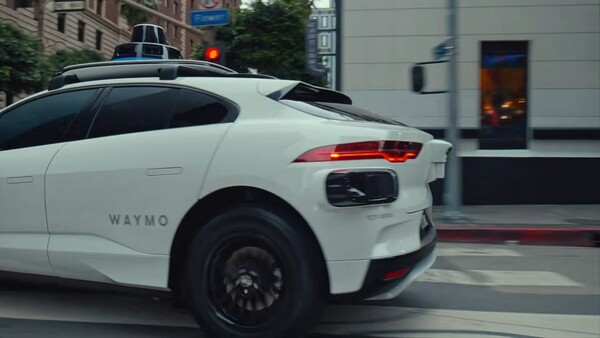
A proposal has been made that driverless robotaxis need both interior design changes and digital warning systems to reduce disruptive behavior by passengers.
On Oct. 1 local time, IT outlet Ars Technica reported that ergonomics and UX researchers discussed ways to curb improper behavior in shared autonomous vehicles at the Love in Traffic workshop in Sweden. The discussion was aimed at setting future design principles and research tasks rather than presenting findings from field studies.
The key issue is that the absence of a driver can give riders the impression that they have more privacy than they actually do. Researcher Alexandros Louchitsas (알렉산드로스 루치차스) pointed out, "Even if you are alone in the vehicle, a robotaxi is not a private space in the traditional sense." Reports have also cited users who said they engaged in inappropriate behavior in Cruise robotaxis in the past, and there were cases at Waymo in which teenagers were sanctioned after drinking inside vehicles and throwing objects outside.
The researchers cited content creators and tourists as major risk cases. They said problems can grow if people treat driverless vehicles as cheap filming spaces or do not properly understand local legal and cultural norms. In shared services, other passengers may also ride in the same vehicle, and the misconception that it is a private space can lead to conflict.
One suggested solution was to change the interior structure. That would reduce elements that can conceal the body, such as tall opaque seats or curtains, and create a more open layout. The researchers said Zoox robotaxis and large autonomous shuttles designed from the outset for driverless operation are relatively better suited to such changes.
Digital warnings were also proposed. Under that approach, an in-vehicle AI assistant would inform riders that filming and monitoring are taking place, and would ask them to stop if other passengers are uncomfortable or if risky behavior is detected. Transparent seating or AI warnings remain proposals by researchers, and are not features that robotaxi companies have decided to introduce.
 Jae-won Choi
ittt_0801@d-today.co.kr
Jae-won Choi
ittt_0801@d-today.co.kr