
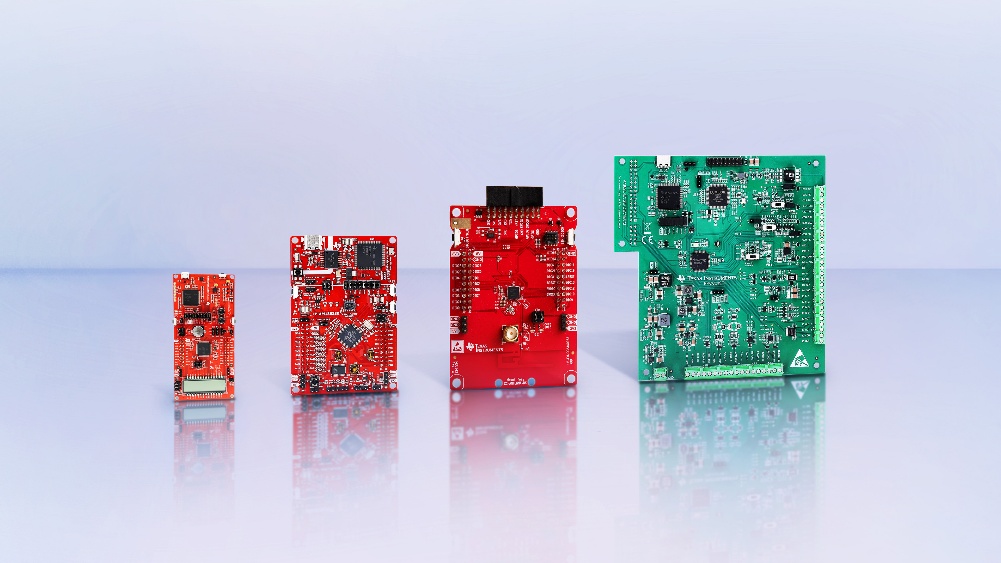
The burden of rewriting code each time embedded developers switch semiconductor suppliers is expected to ease. Texas Instruments (TI) said on Thursday it will expand support for the open-source real-time operating system Zephyr Project across its embedded product lineup. The move covers microcontrollers (MCUs), microprocessors (MPUs) and wireless connectivity devices.
TI said it will provide an integrated development environment for those product lines that can be used directly at the mass-production stage. It targets developers seeking to build systems that comply with the European Union's Cyber Resilience Act (CRA) while reducing development time. When software ecosystems are fragmented, developers often need to rewrite code when changing suppliers. The company said Zephyr-based TI platforms provide a single development environment to reduce that burden.
Developers can move to TI semiconductors while keeping their existing open-source workflow, Zephyr codebase and toolchain. The Zephyr community reviews TI's code before the SDK is released. The company said this helps maintain a stable codebase even as production scales up.
Security response relies on the Linux Foundation's long-term support framework. TI regularly updates Zephyr-based software development kits (SDKs) to address vulnerabilities. Using continuous integration and continuous deployment (CI/CD) on a public GitHub page allows developers to use new features and resources well before they are reflected in the final SDK.
TI will also provide validated releases, migration guides and backward compatibility guidance. It aims to reduce the maintenance burden for TI semiconductor-based products that support lifecycles of more than 10 years. CRA compliance is a way to remove one of the main barriers facing developers targeting the EU market.
Marian Kost (마리안 코스트), vice president and general manager of TI's wireless connectivity unit, said, "Through TI and Zephyr, developers can leverage everything they need to design and scale easily across TI's MCU, MPU and wireless connectivity portfolio."
 Dae-geon Seok
d2dg@d-today.co.kr
Dae-geon Seok
d2dg@d-today.co.kr