
A path to buy a new electric vehicle with subsidies has effectively closed this year, turning a buying cliff into reality. Some local cities and counties have already stopped taking subsidy applications. With subsidies in the Seoul metropolitan area also close to running out, some imported-car dealerships are telling new buyers to aim for the first half of next year. Automakers are responding by increasing shipments of hybrids (HEV), while battery makers are boosting orders for North American power-grid energy storage systems (ESS).
As of Sept. 2, the depletion rate of 2026 EV subsidies in major local governments, including Seoul and Gyeonggi, was reported to have reached 80 to 90 percent as of late September, the industry said. Spending was concentrated in the first half, and expanded EV transition support payments sped up the drawdown. While the numbers suggest some budget remains, subsidies are paid in the order vehicles are delivered and registered, regardless of contract order, meaning they are effectively exhausted.
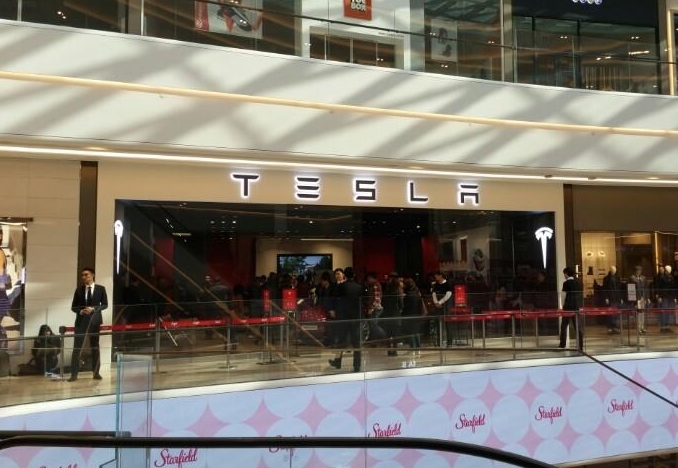
At dealerships, that queue has already rolled into next year. A Tesla store official explained, "If you apply now, delivery is possible in the first half of next year." Because subsidy payment is processed after delivery, consumers who sign contracts now are unlikely to receive this year's budget. A Volkswagen store official also said subsidy applications had already been completed. The store said additional volume added through a supplementary budget was also effectively used up. That means there is no share left for consumers buying new EVs in the fourth quarter, even if budget appears to remain.
The subsidy gap is spilling into fourth-quarter sales. Some consumers are reported to be cancelling purchases as subsidies become uncertain even after contracts are signed for vehicles slated for fourth-quarter delivery. Others are delaying delivery until the timing of next year's budget notice. With new contracts pushed into next year and existing contracts shaken, some see a so-called buying cliff as fourth-quarter EV demand empties out.
The buying cliff is showing up first outside the capital. The industry said Seoul has 14 to 15 percent of subsidies remaining, but many local cities and counties in Gangwon, North Chungcheong, South Jeolla, South Gyeongsang and Jeju have run out and effectively halted applications. Local cities and counties have small allocations of only a few hundred vehicles, and budgets were depleted by early in the third quarter as applications for transition support surged. Local areas have a larger share of local-government subsidies versus state subsidies, and when local funding stops, consumers face a bigger burden in the actual purchase price. Automakers absorbing the sales gap are changing the mix of models they ship.
Automakers are now focusing shipments on hybrids (HEV) and plug-in hybrids (PHEV), where waiting demand remains. Kia is also increasing the share of HEVs. Shinhan Investment said Kia's hybrid share of sales is expected to rise to 24 percent in the fourth quarter from 21 percent in the second quarter. It cited domestic tax benefits and subsidies for eco-friendly vehicles shrinking toward year-end, and increased hybrid supply in the United States. Shinhan Investment estimated EVs are less profitable than internal combustion engine vehicles and HEVs. When EV shipments fall, battery orders for those vehicles also drop.
Battery makers plan to make up for reduced orders in North America. South Korean battery companies are increasing supply contracts for large ESS packs for power grids in North America, including the United States, and shifting production to ESS-only lines based on lithium iron phosphate (LFP). Automakers' focus on HEVs and battery makers' ESS orders are both responses aimed at bridging the period when subsidies run short. With new dealership contracts being set for delivery in the first half of next year, the assessment is that responses by both industries will have to continue until next year's subsidies are implemented.
 Daegeon Seok
d2dg@d-today.co.kr
Daegeon Seok
d2dg@d-today.co.kr