
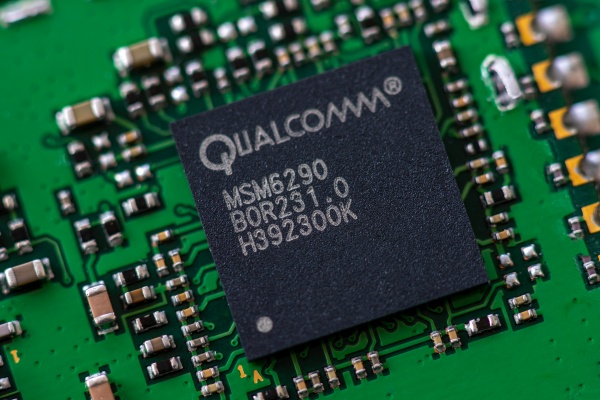
Qualcomm is expected to see its Apple-related revenue fall faster than previously anticipated. As Qualcomm’s share of components in the next iPhone is seen dropping far more than originally expected, the company expects revenue from Apple to decline rapidly from the fourth quarter.
On July 29, local time, IT outlet 9to5Mac reported that Qualcomm CEO Cristiano Amon (크리스티아노 아몬) said after the earnings release, "Revenue generated from Apple products will decline faster than expected from the fourth quarter."
The remarks came shortly after Qualcomm offered an earnings outlook that fell short of market expectations. As the timing of an Apple revenue decline is also seen being brought forward, analysis suggests Qualcomm’s business structure shift is accelerating in earnest.
Amon projected that supply constraints would push Qualcomm’s share of components in the next iPhone to a level far below the previously expected 20 percent. He said that would also speed up the decline in revenue from Apple compared with earlier expectations.
In the background is Apple’s strategy to develop its own modem. Since acquiring Intel’s smartphone modem business in 2019, Apple has continued work to replace Qualcomm modems with its own designed chips. Qualcomm has stressed to investors that it is preparing for possible declines in Apple volumes, but this time it has effectively officially acknowledged the drop could be larger than expected.
Qualcomm is stepping up efforts to expand beyond smartphones in response. Amon said the company is pursuing diversification to reduce reliance on Apple and expects its data centre business to generate $5 billion in revenue by fiscal 2027. It reaffirmed its strategy to move away from a smartphone-centric structure and build data centres as a new growth engine.
Still, cooperation between Apple and Qualcomm will not end completely. Qualcomm also receives patent licensing fees from Apple in addition to supplying modem chips. Because that revenue is separate from chip sales, related income is expected to continue as long as the licensing agreement remains in place even if Apple expands adoption of its own modems.
The two companies ended a long-running legal dispute in 2019 and signed a six-year patent licensing agreement. After Apple exercised an option to extend it by two years, the agreement will remain in effect until March 2027.
The industry is watching two things going forward. One is how far Qualcomm’s share of components in the next iPhone will actually fall. The other is how quickly Qualcomm can make up for lost Apple revenue by expanding its data centre business. As Qualcomm has positioned data centres as a next-generation growth pillar, growth in non-smartphone businesses is expected to be a key indicator in future results.
 Jinju Hong
hongjj@d-today.co.kr
Jinju Hong
hongjj@d-today.co.kr