
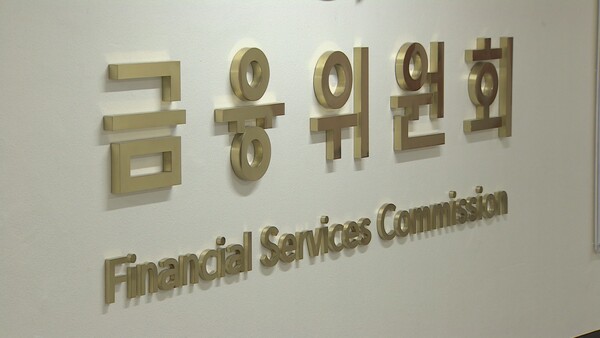
[DigitalToday reporter Ji-young Lee (이지영)] Financial authorities will strengthen protection for settlement funds and soundness regulations for electronic payment gateway (PG) firms to prevent a repeat of the TMON and WeMakePrice non-settlement incident. They will require settlement funds held by PG firms for payments to sellers or refunds to consumers to be managed externally, and will raise capital requirements and disclosure and sanctions standards for large operators.
The Financial Services Commission and the Financial Supervisory Service on Thursday issued a legislative and regulatory notice on proposed amendments to an Enforcement Decree of the Electronic Financial Transactions Act and to the Regulation on Supervision of Electronic Financial Transactions, detailing the revised act. The revised Electronic Financial Transactions Act was promulgated in December last year and is scheduled to take effect on Dec. 17 this year.
The proposal requires PG firms to have funds they hold for seller settlements and user refunds managed externally through bank deposits, trusts or payment guarantee insurance.
The external management ratio will rise to 60 percent in the first year of implementation, 80 percent in the second year and 100 percent from the third year. It also sets out procedures for settlement fund management institutions to make priority payments to sellers and users in a crisis such as a PG firm's bankruptcy.
Capital regulations for large PG firms will also be tightened. The capital requirement for operators whose total quarterly electronic financial transactions exceed 30 billion won will be raised to 2 billion won from 1 billion won. When an electronic financial business operator changes its largest shareholder, it must go through a change approval or registration process.
Electronic financial business operators must disclose quarterly whether they externally manage settlement funds, their settlement cycles, and whether they comply with management guidance standards. Payment fees must be disclosed semi-annually, and operators with an average monthly payment volume of less than 200 billion won will receive a one-year grace period for disclosure. The proposal also sets standards allowing licenses or registrations to be cancelled if an operator receives business suspension orders three or more times within five years for the same reason.
The proposal is expected to be finalised after the notice period through July 29, followed by a review by the Ministry of Government Legislation and a Cabinet meeting vote.
Financial authorities plan to complete the revision process after a review by the Ministry of Government Legislation and votes at vice ministerial and Cabinet meetings.
 Ji-young Lee
ljy@d-today.co.kr
Ji-young Lee
ljy@d-today.co.kr