
[DigitalToday reporter Jinju Hong (홍진주)] A comparison of AirPods Max 2 and AirPods Pro 3 found that differences in sound quality and features between the two are not as large as expected in a wireless environment.
On April 6 local time, IT outlet NineToFiveMac analysed a review based on hands-on use of the two products and said the perceived gap is limited given the price difference.
The comparison drew attention because the Max 2 has been updated to what is effectively the latest specifications, narrowing the functional gap with the Pro 3. Both products are based on the H2 chip and commonly support key features including active noise cancelling (ANC), transparency mode, voice isolation, adaptive audio and personalised spatial audio. Based on features alone, the performance gap no longer widens simply because it is a "headphones vs earphones" comparison.
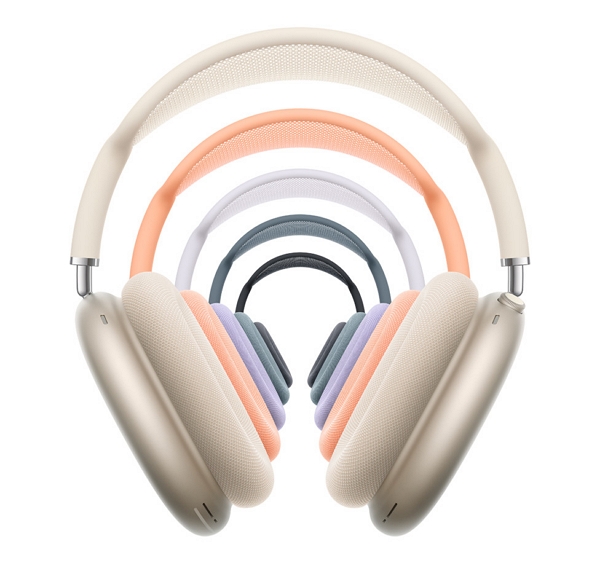
The difference mainly comes down to form factor. The Max 2 is an over-ear headphone with larger drivers, premium materials, physical buttons and a digital crown, and supports about 20 hours of continuous playback. It is particularly strong in that users can listen to lossless audio when connected by wire via USB-C. The Pro 3, meanwhile, is an in-ear earphone that offers IP57 water and dust resistance, a heart-rate sensor, hearing aid and hearing assistance functions, and MagSafe-based wireless charging, with up to 30 hours of use including the case.
The most closely watched area, sound quality, produced an unexpected result. While the outlet rated the Max 2 as an objectively excellent headphone, it said the Pro 3 delivers sound quality that comes very close. When comparing the same music in the same environment, bass, vocal clarity and the overall sound experience were effectively at a similar level, it said. Transparency mode was also assessed as natural on both products.
Still, the Max 2 showed its true value in a wired environment. When connected via USB-C to play lossless sources, it showed a clear edge in detail and separation. The outlet also noted that this difference is only noticeable in the limited situation of wired listening rather than Bluetooth, and is far from typical everyday use.
The selection criteria are expected to narrow to usage patterns and price. The Pro 3 is small and light, making it highly portable and suitable for exercise or everyday use, and its range of additional functions was cited as a strength. The Max 2, by contrast, has strengths in design, fit and wired lossless sound quality, but its weight, portability and price burden were cited as drawbacks.
The outlet concluded: "We expected a big difference in sound quality as the price differs by more than double, but that was not the case," adding that for most users the Pro 3 could be the more reasonable choice.
 Jinju Hong
hongjj@d-today.co.kr
Jinju Hong
hongjj@d-today.co.kr