
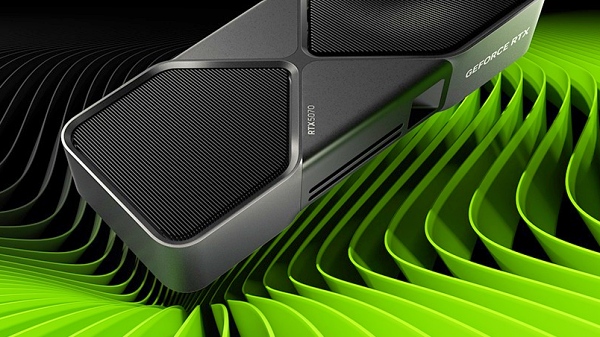
Nvidia's next-generation GeForce RTX 6000 series could launch in 2028, later than initially expected, according to a projection.
Tech outlet TechRadar reported on Sept. 22 that well-known leaker Kopite7kimi claimed on X that the RTX 6000 series is targeting a 2028 release and appears to have been delayed once again.
The projection directly contradicts earlier talk of a 2027 launch. Another leaker, Moore's Law Is Dead, previously said on YouTube that the RTX 6000 series could come out in 2027. For now, Nvidia has not issued an official position, leaving both claims unconfirmed.
The market is citing unstable memory supply as a backdrop to the delay talk. Observations cited by the outlet suggest memory shortages have worsened in 2026 and that price burdens could increase further in 2027. In particular, expected next-generation high-end models RTX 6090 and RTX 6080 would need more memory than their predecessors, meaning memory prices could directly affect launch strategy.
Current price trends were also cited as a burden. The RTX 5080 has risen to around $1,500 in the United States and is priced at around 1,350 pounds in Britain. The outlet also reacted to the RTX 5090 by calling it "completely ridiculous". Against that backdrop, the view is gaining ground that launching next-generation products in 2027 would be a heavy burden.
There is also speculation that next-generation products could use more expensive VRAM. Nvidia could use 3GB modules, and there are also rumours it could adopt 4GB or 6GB chips. A projection suggests such high-capacity memory chips could appear within the next 1 to 2 years, and that in that case a 2028 launch scenario would line up with the timetable.
Consumer reaction is mixed. Some gamers said of the next GeForce, "Nobody cares. Nobody can buy it anyway." Other users, citing price and inventory issues, said "it is better if the launch is delayed."
Attention is also returning to whether an RTX 5000 Super refresh will be released. The latest projection, however, viewed that possibility as low. Instead, it raised the prospect that Nvidia could seek to show gamers change through AI and software, especially by strengthening features such as DLSS 5, rather than new hardware.
Ultimately, the key variable is the memory market. It remains unclear whether the RTX 6000 series will actually be pushed to 2028 or whether the schedule will be adjusted again in between. Still, it seems clear that VRAM supply and price stability have emerged as key conditions that will determine the launch timing, as much as the performance race in next-generation GPUs.
 Jinju Hong
hongjj@d-today.co.kr
Jinju Hong
hongjj@d-today.co.kr