Search results for Good Bacteria Research Institute

Industry
First 1,000 days are immune system golden time; why vitamin D supplementation is essential for infants
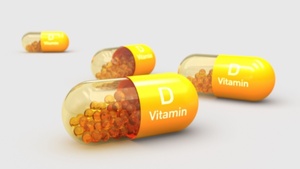
The first 1,000 days after birth are a critical period for building the foundation of lifelong immunity, with vitamin D acting as a key regulator of immune cell function, not just bone health. Modern lifestyles mean many pregnant women and infants lack vitamin D, increasing the need for supplementation. Kim Seok-jin of Good Bacteria Research Institute introduced guidance on managing vitamin D and safe dosing, while warning against excessive long-term intake and advising blood tests and medical consultation.
Industry
Low maternal vitamin D can affect fetus immunity and pass on gut microbes
An analysis found that a pregnant mother’s nutritional status can influence not only fetal bone health but also lifelong immune function and the formation of the gut microbiome. Because a fetus cannot produce vitamin D, the mother’s blood vitamin D level is directly reflected in the baby. It noted that 1 in 4 pregnant or breastfeeding women is vitamin D deficient. A researcher outlined potential risks and practical steps, including testing and supplementation with medical advice.
Industry
Gut microbes directly produce \'happiness hormone\' serotonin, probiotic pairing is key
Gut microbes previously seen as only indirect helpers of intestinal cells can directly produce serotonin, often called the “happiness hormone,” according to research. The study found serotonin is synthesised only when two Lactobacillus-related probiotic strains work together, not when cultured separately. Animal tests reproduced the mechanism. The findings may offer clues for identifying and treating irritable bowel syndrome, which affects 7 to 10 percent of South Korea’s population.