
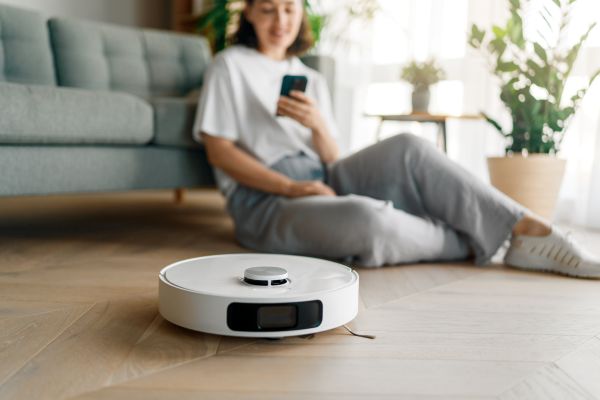
An assessment found that the biggest challenge for the robot vacuum market is not the technology itself but consumer perceptions and reliability in everyday environments.
According to IT outlet TechRadar on July 29, executives from major companies including Dreame, Eufy, Roborock, iRobot and SwitchBot said robot vacuums have largely moved beyond past limitations, but consumer perceptions remain stuck at the level of older products.
Faraz Mehdi (파라즈 메흐디), a managing director at Eufy, said many consumers still think of mopping with dirty water and inadequate carpet-cleaning performance. Ricky Ma (리키 마), Roborock's head for Europe and the Americas, explained that the perception that robot vacuums move randomly, get stuck often and do not clean as well as regular vacuum cleaners also stems from early-generation products.
The industry also cited the ability to operate reliably without human intervention as another condition for wider adoption. Reena Patel (리나 파텔), a floor care category manager at iRobot, said consumers expect the devices to avoid obstacles in complex indoor environments, handle pet hair effectively and run smoothly without additional intervention even when floor types change.
Real home environments remain a variable. Older apartments, multi-storey homes, low furniture, cluttered floors, uneven surfaces and spaces with mixed flooring materials are cited as challenging conditions for robot vacuums. Premium models are addressing these issues with designs that can clear high thresholds, floor-detection sensors and lower-profile bodies. Still, the challenge remains that these functions must work consistently and reliably every day.
Purchase criteria have also changed. Companies said it is now difficult to persuade consumers with a single figure such as suction power. Michael Meng (마이클 멍), chief executive of Dreame, said consumers judge performance by evaluating multiple functions together. Demand is also growing for products that combine vacuuming and mopping and offer self-maintenance features such as emptying dust bins, refilling water tanks and washing mop pads.
Preference for premium products has strengthened, but high-priced models are not automatically chosen. Eufy explained that consumers want a flagship-level experience across a wider price range while closely weighing value for money. Richard Mou (리처드 모우), a co-founder of SwitchBot, said consumers are beginning to see robot vacuums not as one-off devices but as long-term investments in home automation. Roborock said demand is rising from buyers looking to upgrade existing products rather than experimental consumers who hesitated over a first purchase.
Ultimately, the key to making robot vacuums mainstream is to change negative images from the past while securing trust that they will operate steadily and reliably in real homes, the assessment said.
 Seung-a Yoo
ysah@d-today.co.kr
Seung-a Yoo
ysah@d-today.co.kr