
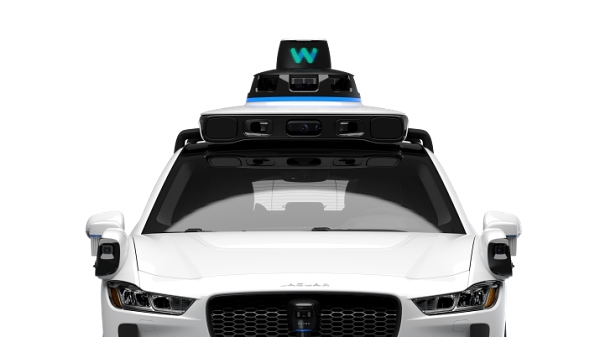
Robotaxi operators such as Waymo are under pressure from the U.S. Congress and federal regulators over issues involving emergency response personnel and collisions. TechCrunch reported on Monday that a bill is expected to be introduced this week that would seek to establish at least minimum national safety standards for autonomous vehicle operators.
U.S. Representative Kevin Mullin unveiled the "AV Emergency Response Coordination Act" in San Francisco. The bill follows a series of cases in which autonomous vehicles blocked ambulances and fire engines, entered crime scenes or failed to recognise safety signals such as traffic cones and flares.
The bill would require autonomous vehicle companies to establish clear response procedures for emergency responders and a 24-hour hotline that public agencies can directly connect to. It would also require the National Highway Traffic Safety Administration (NHTSA) to create nationwide minimum emergency response standards and include a geofencing procedure that would allow public agencies to restrict autonomous vehicle operating areas during emergencies or when an ongoing safety risk exists.
If the geofencing provision is introduced, city authorities and public safety agencies would be able to restrict robotaxi operating ranges in real time without waiting for companies to take voluntary action.
San Francisco fire authorities also pointed to on-site problems. San Francisco Fire Chief Dean Crispen said robotaxis are picking up and dropping off passengers directly in front of fire stations and ambulance deployment facilities, blocking emergency dispatch routes.
Waymo said it has long supported establishing federal standards for autonomous vehicles. It also said it supports efforts to standardise how autonomous vehicle developers cooperate with emergency responders, adding that if minimum guidelines are established, the industry and public safety agencies can share a consistent framework.
 Chi-gyu Hwang
delight@d-today.co.kr
Chi-gyu Hwang
delight@d-today.co.kr