
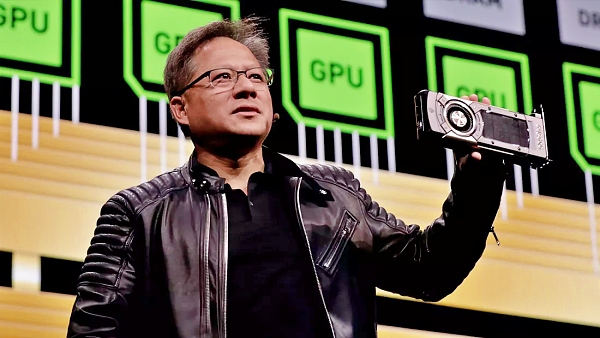
With Jensen Huang (젠슨 황) stepping down as chief executive officer of Nvidia, concerns are being raised among PC gamers that the consumer graphics processing unit business could be pushed further down the priority list. As Nvidia focuses on artificial intelligence and data centre businesses, some analysts say Huang's departure could further reduce interest and investment in gaming GPUs.
On Nov. 12, IT outlet TechRadar reported that Nvidia appointed chief financial officer Colette Kress (콜레트 크레스) as interim CEO after Huang resigned. The board is seeking a successor CEO from internal and external candidates.
Huang has been deeply involved across Nvidia's business strategy and organisational operations, technology development and supply chain management. Apple-focused analyst Ming-Chi Kuo singled out Huang's strength as his ability to make quick decisions and commit resources by comprehensively weighing strategy, organisation, technology and the supply chain. He said Huang had significant influence in deciding on aggressive product specification upgrades and driving them through in practice.
Huang's management style was also reflected in the organisational structure. He said at the New York Times DealBook Summit in 2023 that about 50 executives reported directly to him. He said this was far more than a typical CEO and explained that expanding direct reporting could reduce management layers and facilitate information sharing within the organisation.
Some expect Huang's departure will not immediately hurt short-term results. Shay Boloor, chief market strategist at Futurum Equities, said that even if Huang leaves, revenue over the next 12 to 18 months is unlikely to suddenly disappear. He added that the bigger concern is a long-term gap in strategic vision. It will not be easy to replace Huang's role in presenting the next technological direction before customers even recognise shifts in computing, he said.
TechRadar raised the possibility that the next CEO could focus even more on AI and data centre businesses to demonstrate profitability to the board and shareholders. In a message to employees after becoming interim CEO, Kress also stressed that Nvidia is playing an important role in building technologies that support the AI revolution. As a result, the consumer GeForce GPU business could become a lower priority, analysts said.
Huang's past direct involvement in gaming GPU development and his personal attachment to the GeForce brand are also seen as variables. It is unclear whether the next CEO will share the same interest and historical ties. With prices for high-end graphics cards already rising sharply, if consumer GPU supply is further constrained, concerns are also emerging that the price burden could grow even heavier.
Still, this is a view that Nvidia's business priorities could change after Huang's departure, and a reduction in gaming GPU supply or additional price hikes has not been confirmed. Ultimately, PC gamers are expected to focus on what balance the next CEO chooses between an AI-led growth strategy and the consumer GPU business.
 Seungah Yoo
ysah@d-today.co.kr