
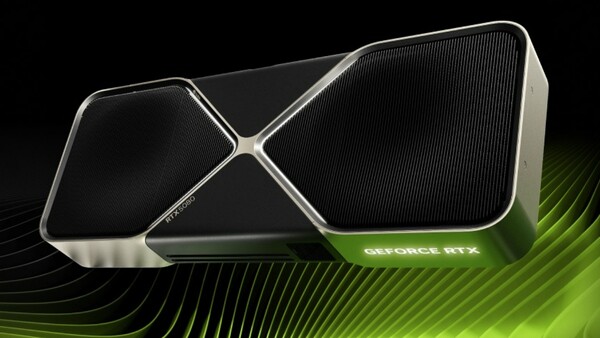
There is speculation that Nvidia's RTX 5080 Super has been excluded from its launch plans.
TechRadar, an IT outlet, reported on Wednesday that Nvidia told graphics card makers it was no longer proceeding with the RTX 5080 Super, which had been rumoured for a January 2027 release.
The key issue is memory. The RTX 5080 Super has been discussed as a variant with 24GB of video memory. To implement that, it would need 3GB modules instead of the 2GB GDDR7 modules used in the existing RTX 5080. The sharply higher price of 3GB memory chips is being cited in the market as the biggest obstacle.
This report goes a step further than recent claims that the launch had been delayed. At the time, it was framed as a slip in timing, but this time no follow-up schedule was presented, fuelling views that it is effectively a possible cancellation rather than a simple delay.
In China, the existing RTX 5080 16GB model is expected to retain its status as the top consumer product for some time. The RTX 5090 is not sold in China, and it has remained difficult to obtain in other regions at normal prices. RTX 5090 inventory is very scarce overall, and there was also mention that in some regions prices have surged to 3 to 4 times the recommended retail price, reaching around $10,000 in the United States. Some have also said it is more realistic to secure an RTX 5090 through an expensive prebuilt PC.
There is a strong possibility Nvidia at one point considered a refresh product such as the RTX 5080 Super. Rumours about RTX 5000 series Super models have repeatedly surfaced, and a mid-generation upgrade is a familiar step in the graphics card market. Still, with GPU prices jumping sharply and uncertainty in memory supply overlapping, an interpretation is gaining traction that the burden of launching a new 24GB product has grown.
There have also been continued claims that Nvidia's priorities are tilted toward data centres and AI. One Reddit user criticised Nvidia, saying it does not want to sell powerful cards and is effectively blocking off AI computing resources for big customers. Another user argued Nvidia is a key reason behind the shift in demand and said it bears significant responsibility for memory production moving from consumer GDDR to HBM for AI data centres.
Reactions in the gamer community are chilly. One user voiced frustration at Nvidia and said it should just do something. Even if the RTX 5080 Super had launched, it would have been hard for it to be cheap, but there was also hope it could have somewhat eased the burden of RTX 5080 pricing by adding another high-performance option.
Against this backdrop, some say rumours of a cancelled RTX 5080 Super are not just about a single product. With the GeForce consumer lineup failing to be reinforced on time and the possibility that pressure from memory costs will continue for some time, dissatisfaction among high-end PC gamers is expected to grow further.
 Jinju Hong (홍진주)
hongjj@d-today.co.kr