
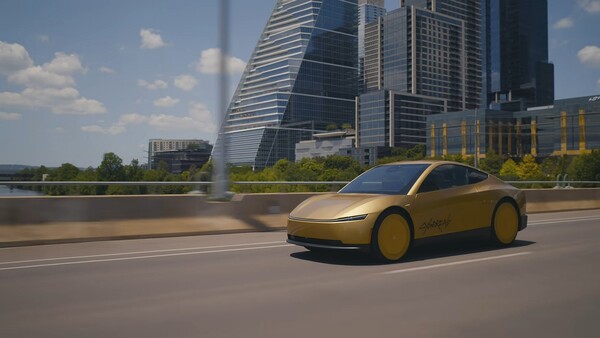
Tesla is expanding its robotaxi service to San Antonio, Texas.
On Nov. 9, TechCrunch reported that Tesla said on X, formerly Twitter, that robotaxis would be available in San Antonio from 5 a.m. on Nov. 10.
The announcement puts Tesla back on track to broaden its position beyond an electric-vehicle maker into a self-driving mobility operator. The company did not disclose detailed operating conditions such as operating hours, service areas, vehicle types or whether safety staff would ride along.
For now, the initial service is likely to start on a limited basis. In previous launches, Tesla began with a small number of vehicles and restricted areas, then gradually expanded its scope. The same approach may be applied in San Antonio.
Tesla started its robotaxi service in Austin in June 2025. The service was limited at the time, and a human safety staff member rode in the vehicle. The launch was a milestone testing whether autonomous vehicles can be deployed safely using only cameras and end-to-end artificial intelligence.
Tesla has since expanded its operating scope in Austin in stages. In January this year, it removed safety staff from Austin robotaxis, effectively moving into a fully driverless service. Over the next 11 months, it expanded the service to other cities in Texas and Florida. Tesla now operates robotaxis in limited areas of Miami and Orlando, as well as Dallas, Fort Worth and Houston.
The move into San Antonio also matters in the competitive landscape with Waymo. Alphabet unit Waymo is operating robotaxi services in Austin, Dallas, Houston and San Antonio using a mix of driverless Jaguar I-Pace and Zeekr RT-based vehicles. Waymo recently resumed its San Antonio service after a five-month suspension following an incident in which a vehicle stopped after entering a flooded road.
Tesla's pace of expansion differs by city when measured by fleet size. Texas vehicle registration data and a robotaxi tracker show Tesla has registered more than 400 autonomous vehicles in Austin, but only several to dozens in other cities. For example, it is counted as operating 24 in Fort Worth and 5 in Miami. San Antonio is also likely to start at a limited scale.
Separately, Tesla also operates a ride-hailing service in the San Francisco Bay Area of California based on a transportation charter permit. The service is sometimes called a robotaxi, but in practice it is driven with a person sitting in the driver's seat. Tesla has not secured the permits needed to operate a driverless ride-hailing service in California.
Regardless of expansion, usage has yet to rise evenly. Data Tesla released this summer showed paid passenger miles traveled on its robotaxi network fell in the second quarter from the first. That makes it a key question whether the San Antonio expansion will translate into actual usage gains, and whether it can quickly expand driverless operations from a limited service.
Robotaxi available in San Antonio starting tomorrow, 5am https://t.co/4ioqOlFCsL
 Jinju Hong
hongjj@d-today.co.kr