
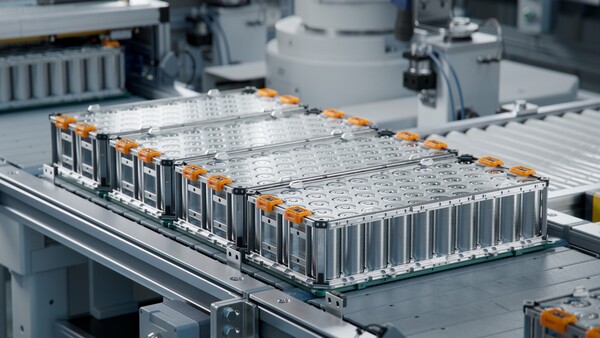
China is moving away from a policy that encouraged the reuse of electric vehicle batteries and is strengthening safety and quality controls. It has not banned battery reuse itself, but has changed the management system to require quality standards to be met for each area of use.
CleanTechnica reported on Oct. 28 that China has excluded cascade use of retired EV batteries from its existing management system since April this year. In July, it also scrapped a separate recognition scheme that had been granted to related companies. Cascade use refers to reusing batteries that have reached the end of their life in EVs for less demanding purposes such as energy storage systems (ESS) or backup power for telecom base stations.
China has encouraged such reuse since 2021. That was based on the view that batteries that no longer provide sufficient performance for driving could still be used for power storage.
But as the market for battery reuse grew, safety issues emerged. The risk of fires from overcharging or short circuits can arise if batteries are simply disassembled and reassembled, because each battery differs in usage period, remaining capacity and cell condition.
In response, China’s Ministry of Industry and Information Technology ended the separate recognition scheme for cascade-use companies on July 30 and said promotional and support activities should also be overhauled. It particularly banned reusing retired vehicle batteries in electric bicycles.
Still, reused battery products that meet quality standards can continue to be used for suitable purposes. Existing recognition for recyclers that recover valuable metals from batteries will also be maintained.
Economics is also cited as a factor behind the policy change. Prices of new lithium iron phosphate (LFP) batteries have fallen, while retired batteries incur additional costs for inspection and reassembly, building control systems and providing quality guarantees.
China’s electrification has proceeded rapidly, with new energy urban buses numbering 551,400 at the end of 2025, accounting for 87.5% of the total. As a result, handling batteries retired from vehicles has emerged as an industrial task.
In the market for retired batteries going forward, the importance is expected to grow of companies that can manage histories, verify safety and offer price competitiveness versus new products, rather than focusing on simple reuse.
 Choi Jae-won
ittt_0801@d-today.co.kr