
[DigitalToday intern reporter Seung-a Yoo (유승아)] BMW iX3 and Volvo EX60 are proving single-charge performance in long-distance real-world driving, sharply reducing electric vehicle (EV) range anxiety.
On Aug. 23, IT outlet TechRadar reported that the two models are expanding their presence in the long-distance family electric SUV market, backed by new dedicated platforms and high-efficiency batteries.
The key is not a simple specifications race, but how much they reduce the burden of charging plans in real long-distance driving. BMW’s latest iX3 is developed on an entirely new platform, and some models are presented as capable of driving up to 500 miles, or about 805 km, on a single charge. It also highlighted that a 10-minute charge can add 231 miles, or about 372 km, of range.
The model TechRadar used for a 400-mile, or about 644 km, round trip was the iX3 50 xDrive. When fully charged, the vehicle displayed 480 miles, or about 772 km, of range through the next-generation iDrive system. In 'Max Range' mode, which limits use of features such as climate control, the figure rose to 550 miles, or about 885 km. The vehicle was shown to have traveled from England’s southern coast to Cornwall, driven locally for several days, and still not required a separate charge before heading home.
BMW also cited driving feel as a differentiator. It said applying the 'Heart of Joy', which integrates electric powertrain, steering, braking and traction control, secured responsiveness and handling despite being a large electric SUV. The system was evaluated as being slow to operate when pushed. Acceleration from 0 to 62 miles per hour, or about 100 km/h, is 4.9 seconds.
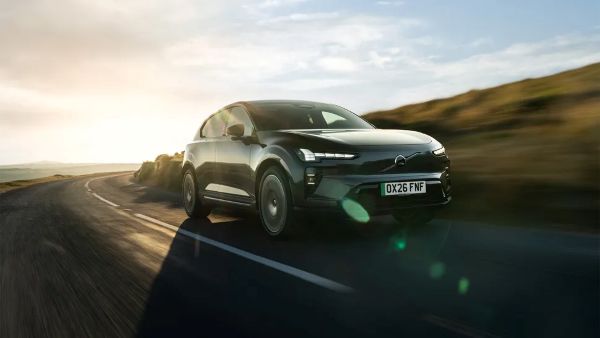
Volvo’s EX60 is in the same stream. The EX60, an electric version of the XC60, targets surpassing 500 miles, or about 805 km, on a single charge based on the new SPA3 platform and an improved battery. The test-drive P10 all-wheel-drive model offers 410 miles, or about 660 km, of range with a 95 kWh battery. Volvo plans to add the P12 AWD with a 117 kWh battery by the end of this year, offering 503 miles, or about 810 km, of driving performance.
The two vehicles showed differences in in-cabin technology strategy. BMW applied panoramic iDrive, which displays information along the bottom of the windshield. When using navigation, a new map screen is shown across the entire front display, allowing the central touchscreen to be used separately for vehicle settings or entertainment. While driving, the usefulness of 'Hey BMW' voice commands was high, and there was also a reaction that the physical haptic buttons were somewhat inconvenient.
Volvo chose a more restrained layout. It integrated cabin functions around a large horizontal touchscreen and secured usability by placing key settings closer to the driver. It also stands out as the first vehicle to include a Gemini-based AI assistant as standard. Volvo said the feature is still a 'work in progress', but basic questions and answers were shown to work smoothly. It also signaled future integration with other applications, including Google Drive and Gmail.
Safety features were also strengthened. The EX60 is the first Volvo model to apply power-adjustable seats as standard across all trims, and it also includes the world’s first adaptive seatbelt. Cabin and seat sensors identify the occupant’s build and weight and automatically adjust seatbelt tension in a crash. Volvo said it is designed to reduce unnecessary injuries in low-speed collisions.
The price range was presented as about 57,000 pounds, or about 107.3 million won, to 70,000 pounds, or about 132.0 million won, for the Volvo EX60. The BMW iX3 test vehicle was presented at about 61,000 pounds, or about 115.0 million won, including options. The EX60 will form a direct competitive structure not only with the BMW iX3 but also with Mercedes’ latest GLC Electric.
What this comparison shows is that when a dedicated platform, large-capacity batteries and efficiency improvements combine, an electric SUV is no longer a means of travel that must calculate charging stations first. Both vehicles were shown to greatly reduce the need to worry about charging stops or the locations of rural chargers during long-distance travel. It shows that EV competition is shifting from battery capacity itself to real-world range and how much it reduces charging burdens.
 Seung-a Yoo
ysah@d-today.co.kr
Seung-a Yoo
ysah@d-today.co.kr