
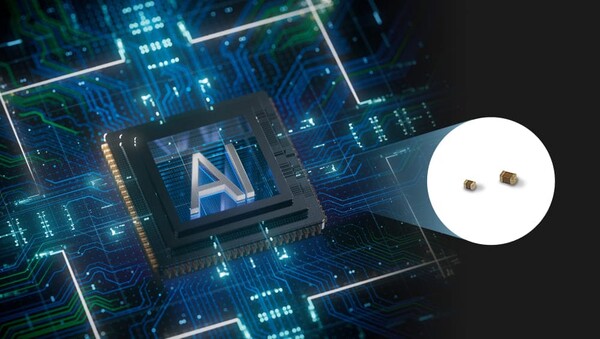
Samsung Electro-Mechanics said on Monday it signed a supply contract with a global large company for MLCCs for AI servers worth about 290 billion won. The contract amount is about $210 million. The supply period is one year from Jan. 1 to Dec. 31, 2027. It is the sixth long-term supply agreement (LTA) the company has signed this year under filings. The counterparty was not disclosed.
From May this year through the latest deal, Samsung Electro-Mechanics has consecutively signed long-term supply contracts for silicon capacitors, MLCCs for AI servers and inductors. The cumulative value under filings is about 3.9 trillion won. The company has already signed long-term supply contracts with more than 10 customers. It said the deals help secure a stable demand base and accelerate a shift in its portfolio toward high value-added products.
MLCCs are multilayer ceramic capacitors that store electricity, supply it steadily to semiconductors and prevent signal interference between components. MLCCs used in AI servers must withstand 24-hour operation in high-temperature and high-voltage environments. They must therefore deliver both high capacity and high reliability. The number installed is more than 10 times that of general servers, with up to 600,000 units used in a single server rack.
Not many companies meet all reliability standards, including ultra-small and ultra-high capacity, high-temperature and high-voltage performance, and bending strength. The technological barriers to entry are high, limiting the number of companies that can supply them. Samsung Electro-Mechanics is responding to rising demand from global customers by using technology and production capacity that meet these requirements. It is maintaining a leading position in the AI server MLCC market with a market share of more than 40 percent. Samsung Electro-Mechanics plans to actively respond to supply contracts it is discussing with several global companies in addition to those already signed.
A Samsung Electro-Mechanics official said, "As the AI market grows, customer demand for high-performance MLCCs is also continuing to rise." The official added, "Based on differentiated technology and stable supply, we will increase the share of MLCC products for AI and further strengthen competitiveness in the global market."
 Dae-geon Seok
d2dg@d-today.co.kr
Dae-geon Seok
d2dg@d-today.co.kr